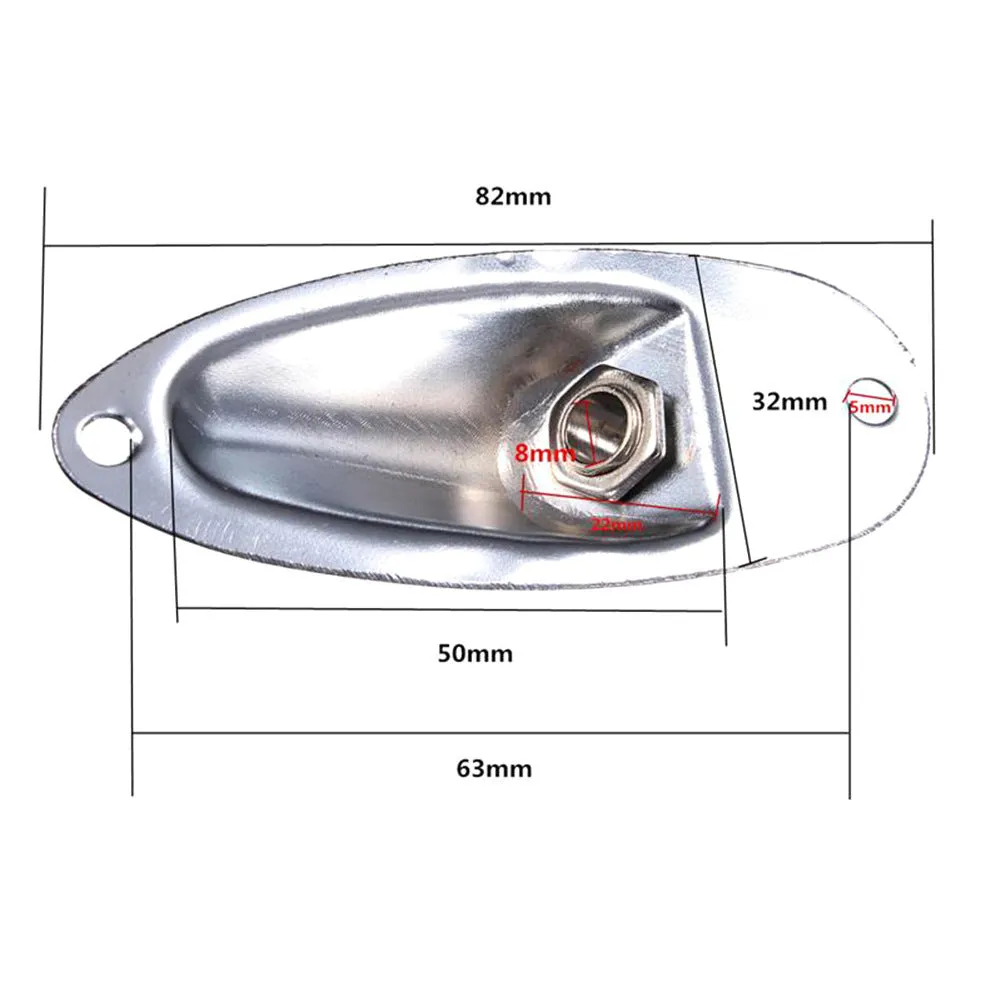
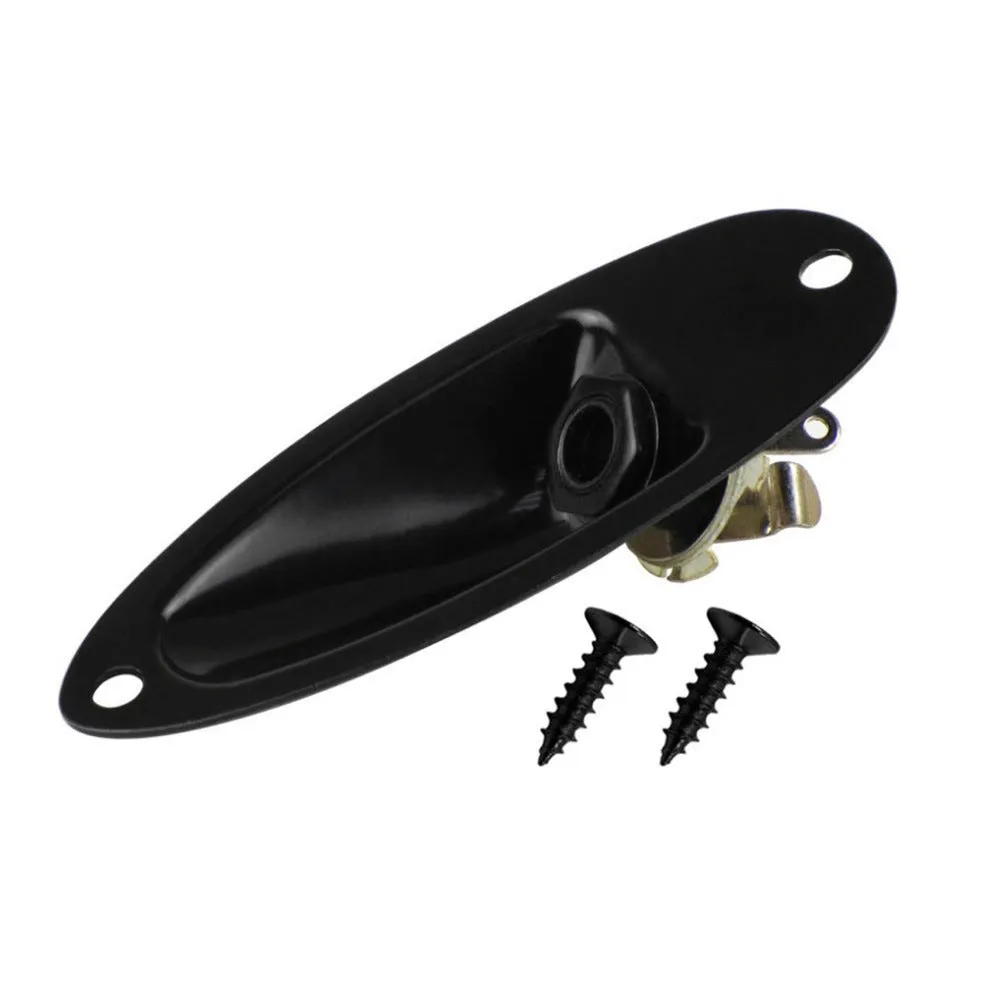
Electric guitar socket alloy jack ST boat socket connector plug for electric guitar and bass with black or silver finish measuring 8.1cm × 3.2cm × 2.5cm for cable replacement and DIY repairs


Electric guitar socket alloy jack ST boat socket connector plug for electric guitar and bass with black or silver finish measuring 8.1cm × 3.2cm × 2.5cm for cable replacement and DIY repairs
Alloy ST Boat Socket Output Jack for Electric Guitar and Bass Replacement in Black or Silver
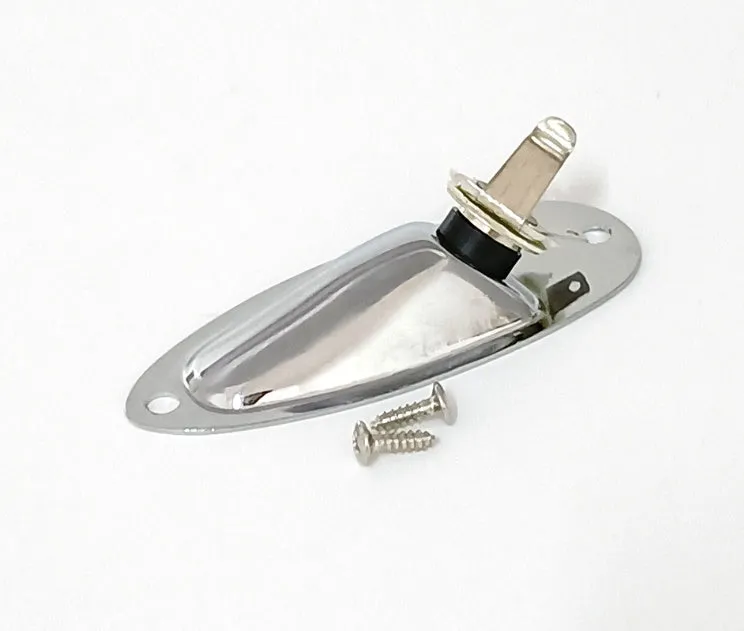
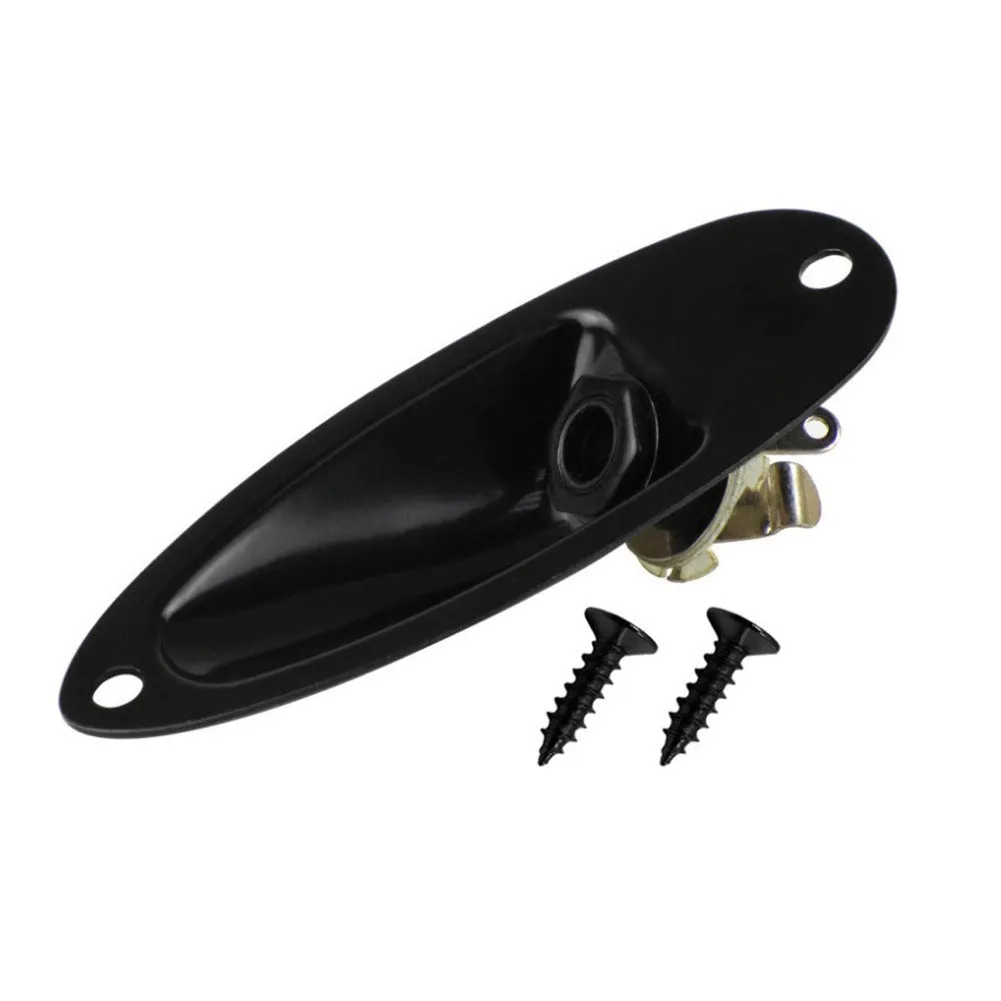
This ST boat socket serves as a functional replacement component for the output jack on electric guitars and basses. When the original socket becomes loose, develops a poor connection, or fails entirely, this alloy connector provides a standardised solution. Measuring 8.1cm by 3.2cm by 2.5cm, it is designed to fit common cavity spaces in guitar bodies, facilitating repairs without major modification. Available in black (M00964) and silver (M00966) finishes, it allows for colour matching with existing hardware. Its primary use is restoring a reliable cable connection point for your instrument's signal path.
Features and Construction
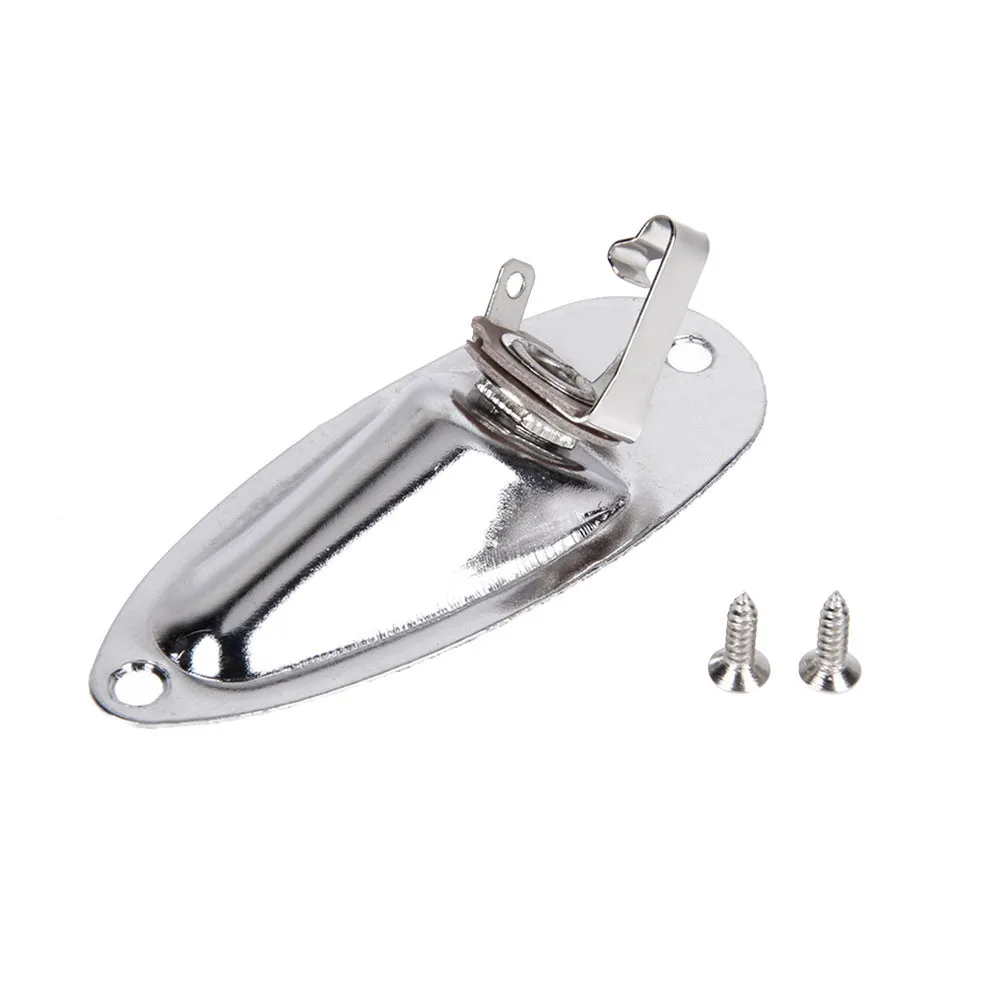
The socket is built as a single, integrated unit focused on core electrical connectivity for instruments. Its design follows the common ST boat socket format used widely in guitar manufacturing, ensuring broad compatibility.
Material and Build
The main structural body of the socket is constructed from alloy. This metal housing contains the internal electrical contacts and provides the threaded barrel and mounting nut for secure installation onto the guitar's control plate or body. The alloy offers a standard level of rigidity and corrosion resistance for this type of electrical component, forming the central connection point for your instrument cable.
Size and Practical Fit
The socket's external dimensions are 8.1cm in length, 3.2cm in width, and 2.5cm in height. These proportions are intended to accommodate the space available within a typical electric guitar's control cavity or output jack rout. The size allows it to be fitted as a direct replacement in many common guitar models where the original socket shared similar dimensions, making it a practical option for repair work.
Uses and Placement
This component has a specific, technical application centred on maintaining the electrical output of a stringed instrument. Its installation directly affects the instrument's functionality.
Event or Professional Use
For performing musicians or studio sessions, a faulty output jack can cause intermittent signal loss, unwanted noise, or complete audio dropout. Replacing a worn socket with this unit helps maintain a consistent and reliable connection between your guitar or bass and your pedalboard or amplifier. This is a fundamental repair for keeping an instrument in ready-to-play condition, avoiding issues during live performance or recording.
Everyday Home Use
For home players, hobbyists, and those maintaining their own instruments, this socket enables a straightforward DIY repair. Instead of requiring a full instrument service for a common point of failure, you can replace the output jack yourself with basic soldering tools. This extends the functional life of your guitar or bass and can resolve common issues like crackling sounds when the cable is moved or a loose feeling in the jack itself.
Benefits and Buying Value

The value of this product lies in its role as a standardised, single-component solution for a specific and recurring maintenance need for electric instruments.
Reuse and Low Maintenance
Once installed, the socket becomes a permanent part of your instrument's electronics. Its alloy construction is suited to the low physical wear and minimal environmental exposure typical of an output jack housed inside a guitar body. Properly soldered connections should provide a long service life, effectively restoring the instrument's primary output function with a standard component.
Why Choose This Product
This ST boat socket is chosen for its specific compatibility with electric guitars and basses, its stated alloy construction, and its provided dimensions that match common replacement needs. The availability of two colour finishes (Black M00964 and Silver M00966) allows for a closer visual match to your instrument's existing hardware, such as tuning machines, bridge components, or control knobs, maintaining a cohesive look after the repair.