
Single-chip microcomputer USB development board virtual keyboard, ATMEGA32U4 microcontroller, compact 50mm x 16mm PCB size, programmable HID device for DIY electronics and microcontroller projects


Single-chip microcomputer USB development board virtual keyboard, ATMEGA32U4 microcontroller, compact 50mm x 16mm PCB size, programmable HID device for DIY electronics and microcontroller projects
ATMEGA32U4 USB Development Board for Creating Programmable Virtual Keyboards

This specialised development board centres on the ATMEGA32U4 microcontroller, a chip renowned for its built-in USB functionality, making it an efficient choice for creating custom Human Interface Devices (HIDs). It is designed for electronics hobbyists, students, and developers looking to build programmable interfaces such as virtual keyboards, game controllers, or macro pads without designing complex USB circuitry from scratch. The board's compact form factor and included programming resources offer a straightforward entry point into USB device development, enabling users to translate code into functional hardware that interacts directly with a computer.
Features and Construction
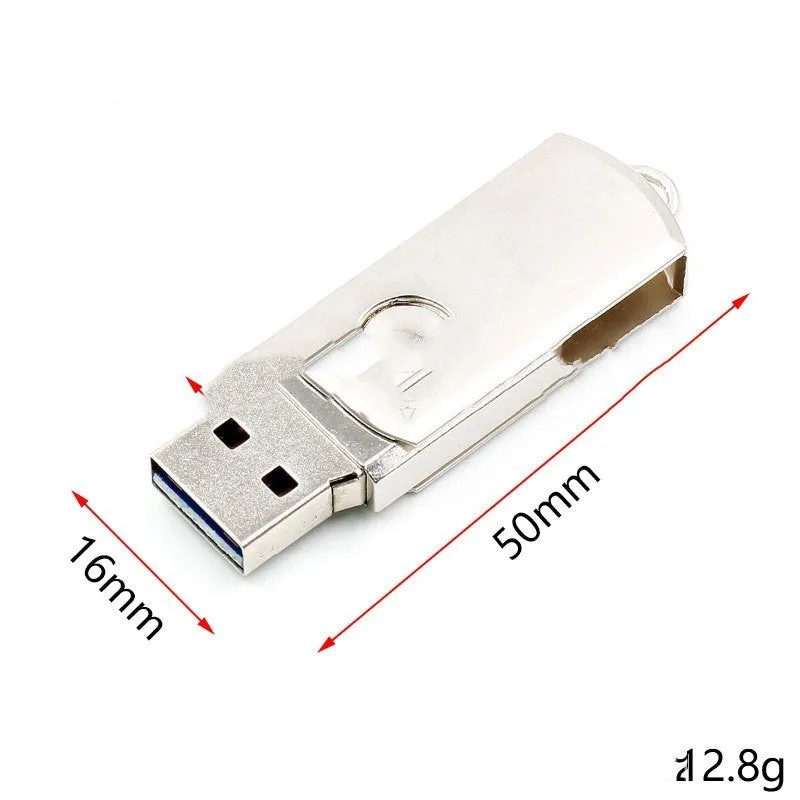
The board's design prioritises core functionality for USB HID project development. Its construction is based on a standard PCB that hosts the essential components required for the ATMEGA32U4 microcontroller to operate and communicate.
Material and Build
The primary structural element is a standard fibreglass printed circuit board (PCB), which provides a stable platform for the surface-mounted ATMEGA32U4 microcontroller and its supporting passive components like resistors and capacitors. The build focuses on delivering the necessary electronic pathways and power regulation to allow the microcontroller to function reliably when connected via USB. The choice of the ATMEGA32U4 is central to the build, as this specific IC handles all USB protocol communication internally, simplifying the design compared to solutions requiring external USB controller chips.
Size and Practical Fit
The product's physical dimensions are clearly defined at 50mm in length and 16mm in width. This compact size allows for easy integration into a final project enclosure or for use as a standalone module during prototyping and testing. The small footprint means it can be incorporated into space-conscious designs or used on a breadboard alongside other components with minimal hassle, making it a versatile tool during the development phase of various electronics applications.
Uses and Placement

This development board serves as a foundational tool for projects requiring custom USB input. Its programmability opens up a range of applications from educational exercises to functional end-products.
Event or Professional Use
For professional prototyping or specific event applications, this board can be programmed to act as a dedicated input device. Examples could include a custom shortcut keyboard for video editing software, a unique controller for a presentation system, or a specialised interface for laboratory equipment. The ability to emulate a keyboard or mouse (HID) allows it to send pre-programmed keystrokes or commands to a host PC, automating repetitive tasks or creating tailored control surfaces for specific professional workflows.
Everyday Home Use
For DIY enthusiasts and makers at home, this board is ideal for personal projects like building a custom mechanical macropad, creating an accessible input device with large buttons, or developing a game controller for emulators. It provides a learnable platform for understanding how USB devices work, allowing users to progress from simple button-to-keypress programs to more complex multi-layer configurations, all within a manageable and affordable hardware framework.
Benefits and Buying Value
The value of this product lies in its focused functionality, ease of entry into USB development, and the practical resources provided to get started.
Reuse and Low Maintenance
The board is fundamentally reusable and reprogrammable. Once a project is complete, the microcontroller can be erased and reprogrammed for a completely different application, offering excellent long-term value. Maintenance is minimal, typically involving only care to avoid physical damage to the PCB or USB connector. As a digital electronic device, it does not require consumables or regular servicing, sustaining its utility over many project cycles.
Why Choose This Product
This development board is a suitable choice for those seeking a dedicated, no-fuss path to creating USB HID devices. Its key differentiator is the integration of the ATMEGA32U4, which removes the need for additional USB interface chips, simplifying both the hardware design and the required firmware. The inclusion of a USB disk with necessary files reduces initial setup time. For developers, students, or hobbyists whose project goal specifically involves creating a programmable keyboard, mouse, or joystick interface, this board provides a targeted and efficient solution compared to more generic microcontroller boards that may lack native USB HID support.
