
Professional USB 2.0 high resolution photo slide show viewer film negative scanner for 135, 126, 110 and Super 8 film, converting monochrome and colour slides to digital images with a 14-megapixel CMOS sensor and 2.4-inch TFT LCD display


Professional USB 2.0 high resolution photo slide show viewer film negative scanner for 135, 126, 110 and Super 8 film, converting monochrome and colour slides to digital images with a 14-megapixel CMOS sensor and 2.4-inch TFT LCD display
Professional USB 2.0 Film Negative Scanner with 14-Megapixel CMOS Sensor for 35mm Slides and Film Strips

This dedicated film scanning device provides a streamlined solution for converting physical film negatives, monochrome slides, and colour transparencies into high-resolution digital JPEG files. Unlike multi-function flatbed scanners, this unit is specifically engineered for film formats including standard 135 film strips, historical 126KPK and 110 film sizes, and Super 8 movie frames. With its integrated 14.0 megapixel CMOS sensor and USB 2.0 connectivity, it offers a direct digital conversion workflow suitable for photographers, archivists, and hobbyists looking to preserve their film collections without requiring specialised computer software or expensive professional scanning services. The scanner's compact dimensions of 87mm long by 86.5mm wide by 102.5mm high make it suitable for desktop use while its 250-gram weight ensures easy portability between locations.
Features and Construction
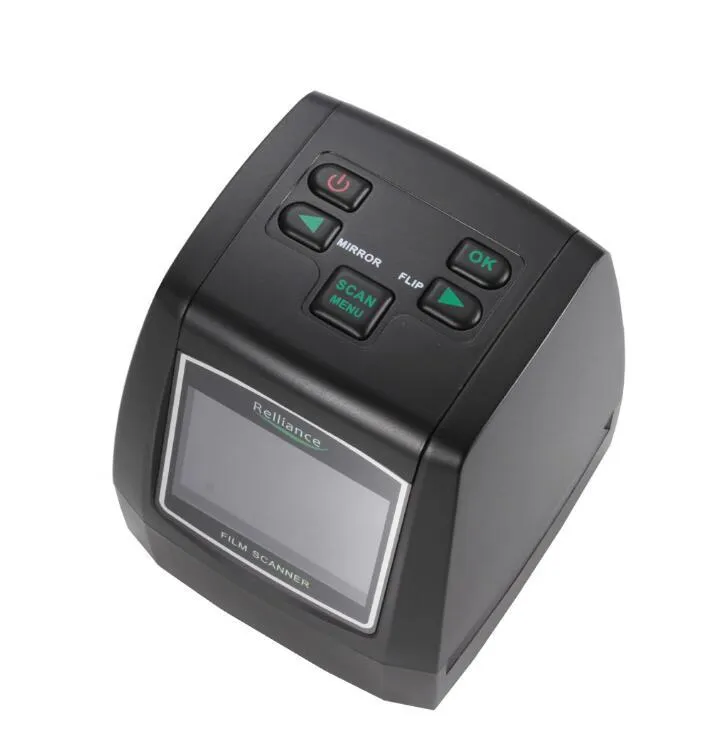
The scanner's core functionality centres on its imaging system and conversion capabilities designed specifically for various film formats. Its construction prioritises the precise optical alignment needed to capture fine film grain detail while maintaining colour accuracy across different film types. The device incorporates both automatic processing for straightforward operation and manual controls for users who require specific adjustments to their scanned results.
Material and Build
The scanner housing is constructed from durable plastics that house the optical scanning mechanism, CMOS image sensor, and processing electronics within its 87x86.5x102.5mm footprint. The integrated 2.4-inch TFT LCD colour display provides immediate visual feedback during the scanning process, allowing users to preview images before final conversion. This display supports multiple language interfaces including Simplified Chinese, Traditional Chinese, English, French, German, Italian, Spanish, and Japanese, accommodating international users. The scanner's physical construction includes precisely engineered film holders designed to accommodate the specific dimensions of 135 film (36x24mm), 126KPK film (27x27mm), 110 film (17x13mm), and Super 8 film (4.01x5.79mm) without requiring external adapters.
Size and Practical Fit
Measuring 87mm in length, 86.5mm in width, and 102.5mm in height, the scanner occupies minimal desktop space while providing full film conversion capabilities. Its 250-gram weight makes it substantially lighter than traditional flatbed scanners with film adapters, allowing for easy storage when not in use. The compact design integrates all necessary components including the 14.0 megapixel 1/2.33-inch CMOS sensor, processing electronics, and 128MB of internal memory within a single housing. This integrated approach eliminates the need for separate film holders, external power supplies when using USB power, or additional connectivity cables beyond the included USB 2.0 interface cable.
Uses and Placement

This scanner addresses specific use cases involving film preservation, digital archiving, and photo restoration workflows. Its dedicated design makes it suitable for both occasional home use and more regular professional applications where consistent film conversion is required. The device supports various film formats that might otherwise require multiple adapters or specialised equipment to digitise properly.
Event or Professional Use
For professional photographers transitioning from film to digital workflows, this scanner provides a dedicated tool for converting archived 35mm film strips and mounted slides into digital assets. The 14.0 megapixel resolution at 4416x3312 pixels captures sufficient detail for prints up to A3 size while the 22-megapixel interpolation option provides additional flexibility for enlargements. The ability to adjust exposure manually from -2.0 EV to +2.0 EV allows correction of underexposed or overexposed originals, while automatic white balance ensures colour accuracy across different film stocks. Professionals working with historical archives will appreciate the support for less common formats like 126KPK film (27x27mm) and 110 film (17x13mm) that might not be compatible with modern scanning equipment.
Everyday Home Use
Home users with collections of family slides and film negatives will find the automatic scanning modes and straightforward USB connectivity simplify the conversion process. The 2.4-inch colour TFT LCD provides immediate visual confirmation that film is being scanned correctly, while the NTSC/PAL TV output allows viewing scanned images on larger television screens for family viewing. With support for Windows XP through Windows 8 and Mac OS 10.7.3 and above, the scanner works with most household computers without requiring driver updates or specialised software. The 128MB internal memory provides immediate storage for scanned images, while SD card support up to 32GB allows extended scanning sessions without computer connectivity.
Benefits and Buying Value
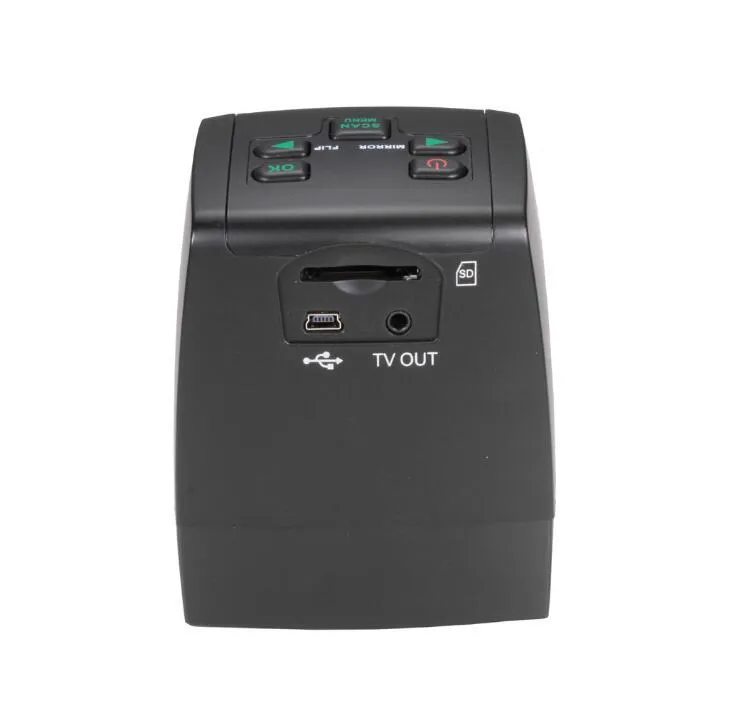
The scanner offers specific practical advantages for users seeking to preserve film collections through digital conversion. Its dedicated design provides functionality that might otherwise require multiple devices or complicated setups, while its compatibility with various film formats addresses different preservation needs within a single unit.
Reuse and Low Maintenance
The scanner's solid-state construction with a CMOS sensor and TFT display requires minimal ongoing maintenance beyond keeping the film transport mechanism clean. Unlike scanners with moving optical assemblies that might require calibration, this device maintains consistent performance through its digital imaging pipeline. The USB 2.0 interface provides both data transfer and optional power delivery, eliminating the need for separate power adapters in most use cases. With support for standard JPEG file output, scanned images are immediately compatible with photo editing software, social media platforms, and digital photo frames without requiring format conversion.
Why Choose This Product
This scanner distinguishes itself through its dedicated film format support, integrated display for previewing scans, and combination of automatic and manual exposure controls. Unlike general-purpose flatbed scanners with optional film adapters, this device is engineered specifically for film transparency scanning with optical components optimised for this task. The inclusion of both internal memory and SD card expansion provides flexibility in workflow, allowing scanning without immediate computer connection when needed. For users with mixed collections of 35mm film strips, mounted slides, and historical film formats, this single device can handle multiple conversion tasks without requiring separate adapters or equipment.
