
Jinkali kitchen tool baozi mold dumpling maker shaomai tool steamed bun shaping gadget in black colour with four shape options for consistent homemade Chinese dim sum


Jinkali kitchen tool baozi mold dumpling maker shaomai tool steamed bun shaping gadget in black colour with four shape options for consistent homemade Chinese dim sum
Jinkali four-shape baozi mould for creating uniform homemade Chinese dim sum with decorative patterns
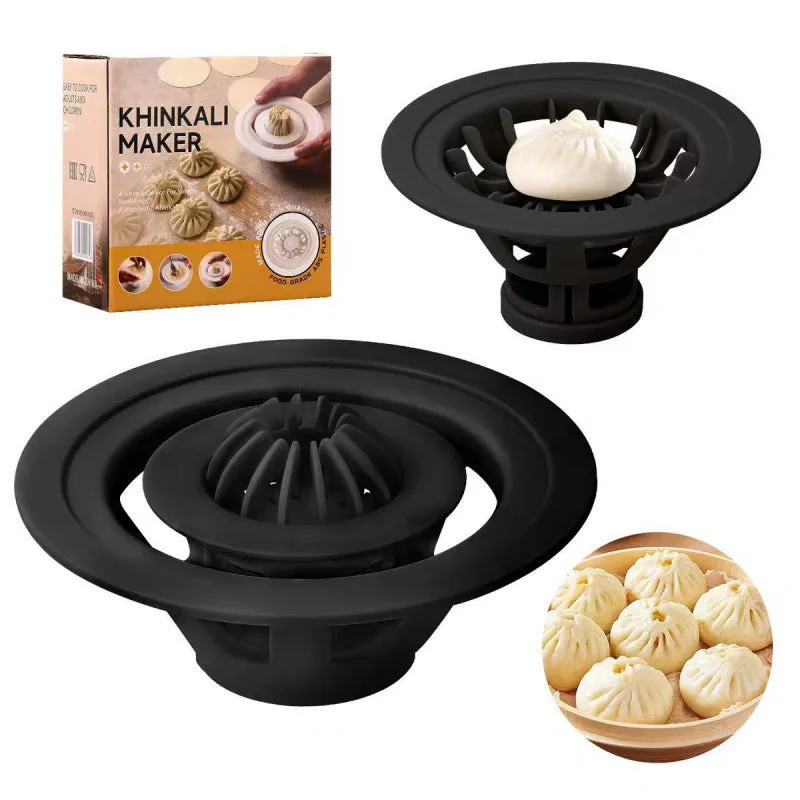
Preparing traditional Chinese baozi, dumplings, and shaomai at home often presents the challenge of achieving consistent, professional-looking shapes without extensive practice. This Jinkali kitchen tool addresses that issue directly through its moulded design, which standardises the shaping process for these popular foods. The tool operates on a straightforward mechanical principle: the dough wrapper is placed into the mould, filling is added, and gentle pressure forms the wrapper to the mould's interior contours. This process not only creates a regular, symmetrical shape but also, when using moulds with raised patterns, impresses decorative designs onto the surface of the finished item. The result is homemade dim sum that looks more uniform and visually appealing, bridging the gap between home cooking and the presentation found in professional settings.
Features and Construction

The Jinkali mould is designed as a practical kitchen aid focused on a single, specific task: shaping dough-based Chinese foods. Its value lies in simplifying a process that typically requires manual skill, offering a repeatable method for cooks of all experience levels. The tool's construction centres around its internal cavity, which dictates the final form of the baozi or dumpling. By providing a physical template, it eliminates variability in size and basic shape, allowing users to concentrate on preparing the dough and fillings. This section examines how the mould's material and design translate into practical kitchen use.
Material and Build
Constructed from food-safe plastic, the mould is lightweight and easy to handle during the shaping process. The interior surface is smooth to allow the dough to release cleanly after shaping, especially when a minimal amount of oil is applied as suggested. The mould's rigidity provides the necessary resistance to gently form the dough wrapper without collapsing under pressure. The design incorporates specific shapes and structures tailored for baozi, dumplings, and shaomai, meaning the cavity proportions are intended to suit the typical ratios of wrapper to filling for these dishes. No moving parts or complex mechanisms are involved; the operation relies entirely on manual pressure and the mould's fixed form.
Size and Practical Fit
The source text indicates the tool is a "small" kitchen gadget, suggesting it is designed for countertop storage and easy handling rather than bulk production. Users should divide their kneaded dough into appropriately sized pieces before rolling them into thin wrappers that fit the mould's opening. The mould itself determines the final size of each baozi or dumpling, promoting portion consistency across a batch. This controlled size can be particularly useful for steaming, as uniformly sized items will cook at the same rate. The tool's compact nature means it doesn't require significant storage space and can be kept within reach alongside other frequently used baking or steaming utensils.
Uses and Placement
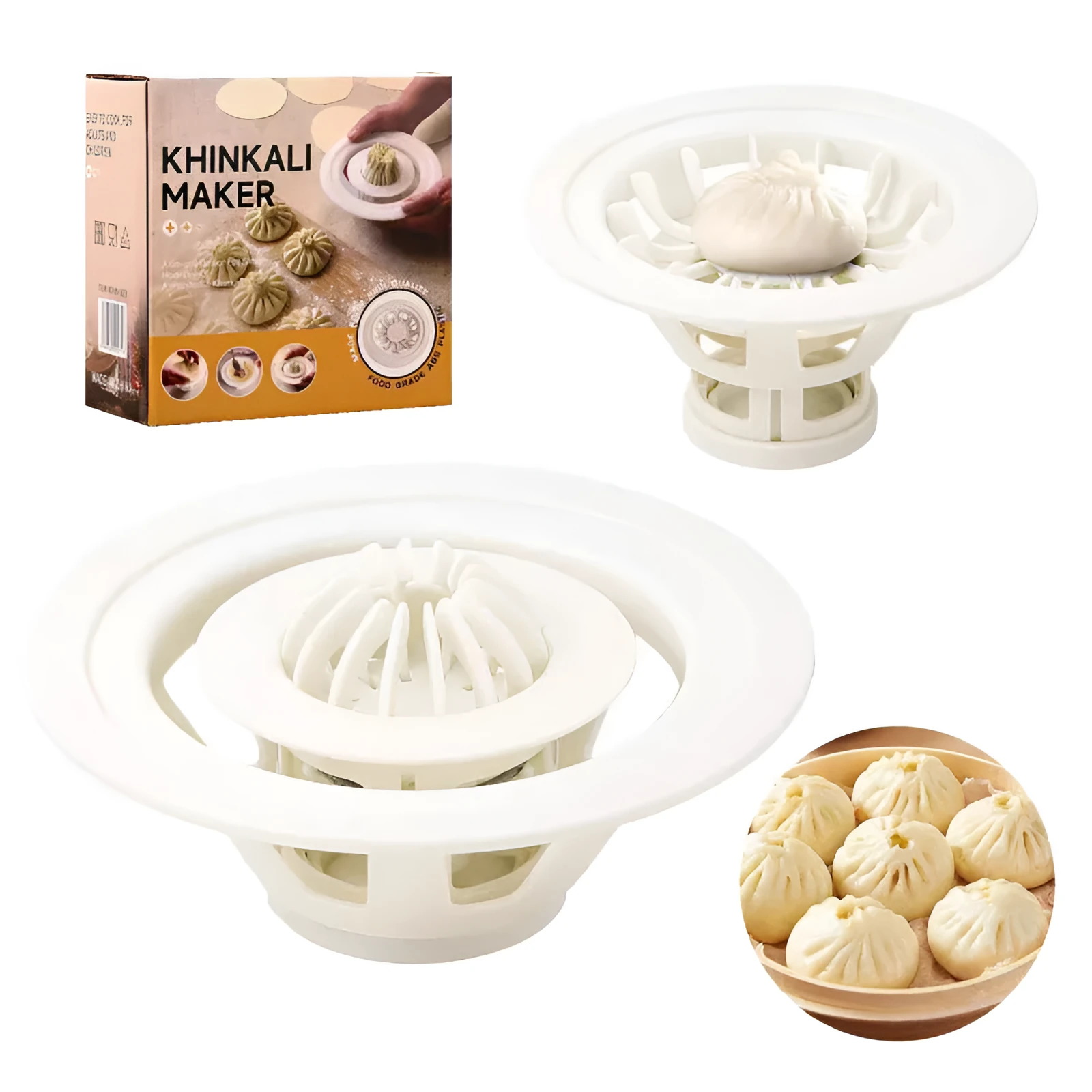
The primary application for this tool is in the home preparation of Chinese dim sum, specifically steamed buns (baozi), dumplings (jiaozi), and shaomai. Its utility stems from standardising a process that is often done freehand, where results can vary widely from piece to piece. For home cooks interested in exploring Chinese cuisine or families who regularly make these foods, the mould offers a way to improve presentation with minimal extra effort. It shifts the skill requirement from manual dexterity in shaping to the simpler actions of filling and pressing. This section explores its role in both occasional cooking and more regular kitchen routines.
Event or Family Cooking
When preparing dim sum for family gatherings, festivals, or special meals, presentation becomes more important. Using the Jinkali mould ensures every baozi or dumpling on the serving plate has a matching, neat appearance, contributing to a more festive and intentional table setting. The optional pattern imprinting adds a decorative touch that elevates homemade items beyond their basic form. For cooks preparing larger batches, the mould provides a reliable, repeatable process that can be delegated to multiple helpers, as the technique is easy to demonstrate and replicate. This can turn dumpling-making into a more inclusive, social kitchen activity where consistent results are maintained regardless of who is doing the shaping.
Everyday Home Use
For households that incorporate baozi, dumplings, or shaomai into their regular meal rotation, the mould simplifies weekly cooking prep. The consistent sizing it produces means steaming times remain predictable, reducing the risk of under- or over-cooked items. The tool can help newer cooks build confidence in making these traditional foods without the frustration of unevenly shaped or bursting dumplings. Storing pre-shaped, uncooked items in the freezer for later use is also more practical when they are uniform in size, as they will pack neatly and thaw evenly. The mould turns an advanced culinary technique into an accessible, routine kitchen task.
Benefits and Buying Value
The core value proposition of the Jinkali mould lies in its ability to deliver consistent, attractive results in home dim sum preparation without requiring specialised skills. It represents a low-cost investment in a kitchen tool that performs a very specific function effectively. Unlike electric appliances or complex gadgets, its operation is entirely manual and intuitive, with no learning curve beyond the basic instructions. Its durability is tied to its simple plastic construction and the low-stress nature of its use—pressing soft dough does not subject it to significant wear. For anyone who has struggled to shape baozi neatly by hand, this tool offers a direct solution.
Reuse and Low Maintenance
The mould is designed for repeated use over time, with care limited to basic cleaning after each use. Its non-porous plastic surface resists staining from food colours and is easy to wipe clean or wash with mild detergent. No special maintenance, seasoning, or conditioning is required. The tool's longevity depends primarily on avoiding exposure to extreme heat that could warp the plastic—it is intended for shaping raw dough, not for use in ovens, steamers, or direct cooking. Stored in a dry place, it remains ready for use indefinitely, representing a one-time purchase for a long-term kitchen aid.
Why Choose This Product
This product is chosen for its singular focus on solving a specific shaping problem in Chinese home cooking. It does not attempt to be a multi-purpose gadget but excels within its defined role. The availability of four shape options in one tool increases its utility, allowing a household to make different types of dim sum with the same aid. The black colour is practical for maintaining a clean appearance over time. For buyers whose priority is achieving uniform, professional-looking baozi and dumplings without years of practice, this mould provides a direct, mechanical path to that outcome. It serves as a skill-enabler, allowing the cook's effort to focus on flavour and ingredient quality while the tool handles consistency of form.