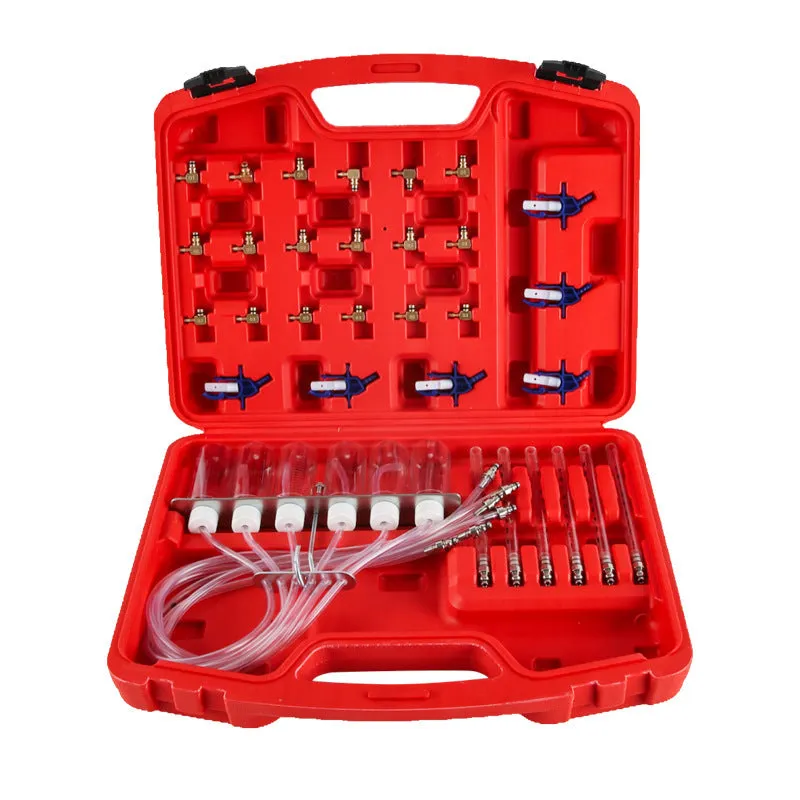
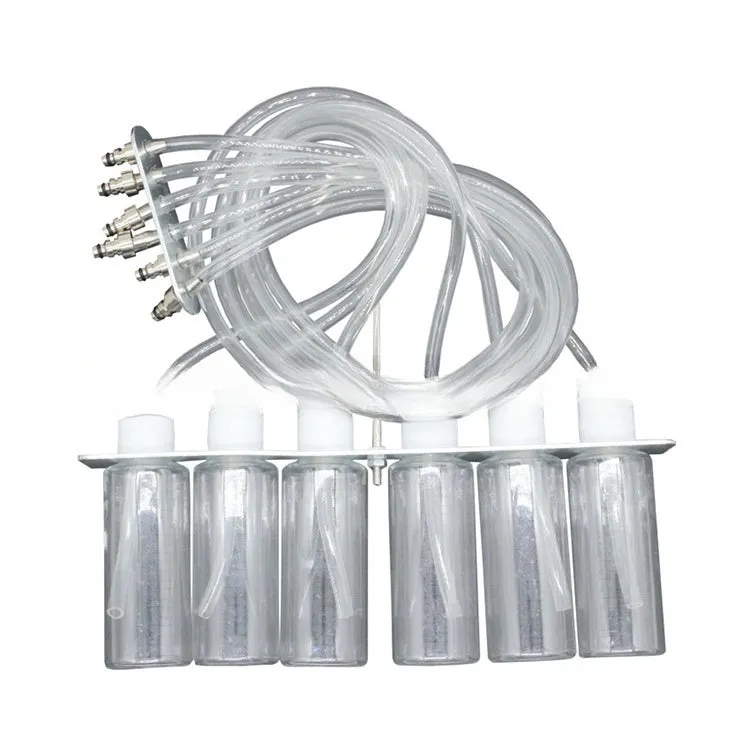
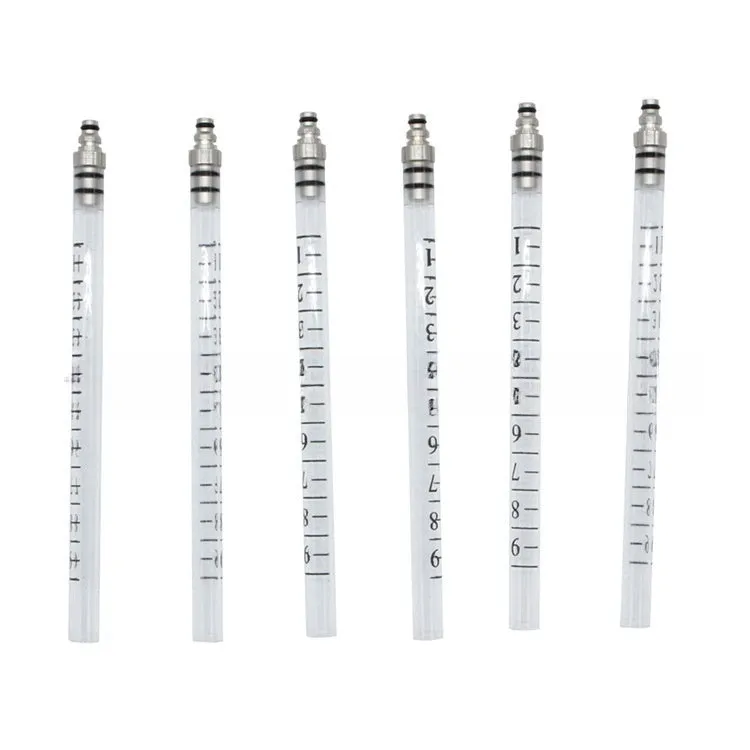
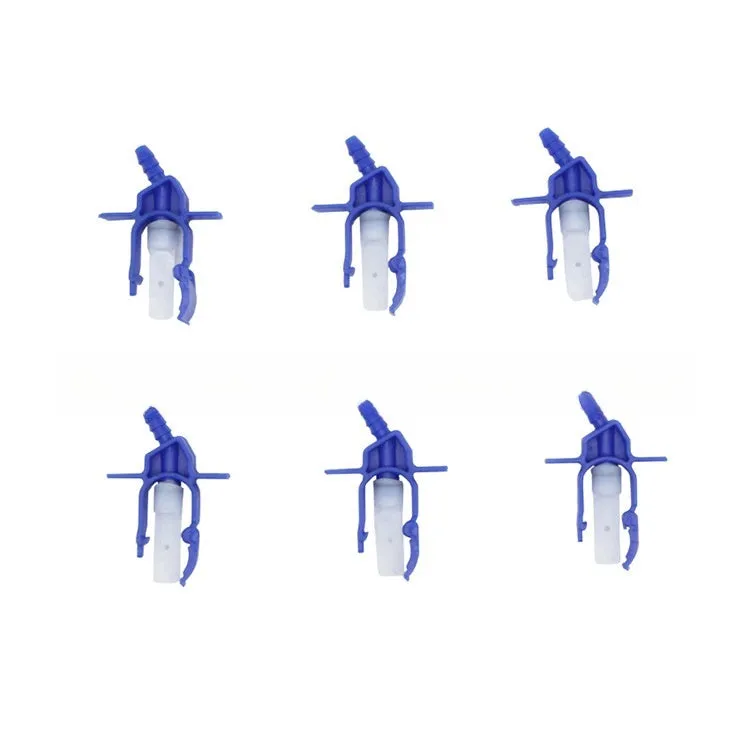
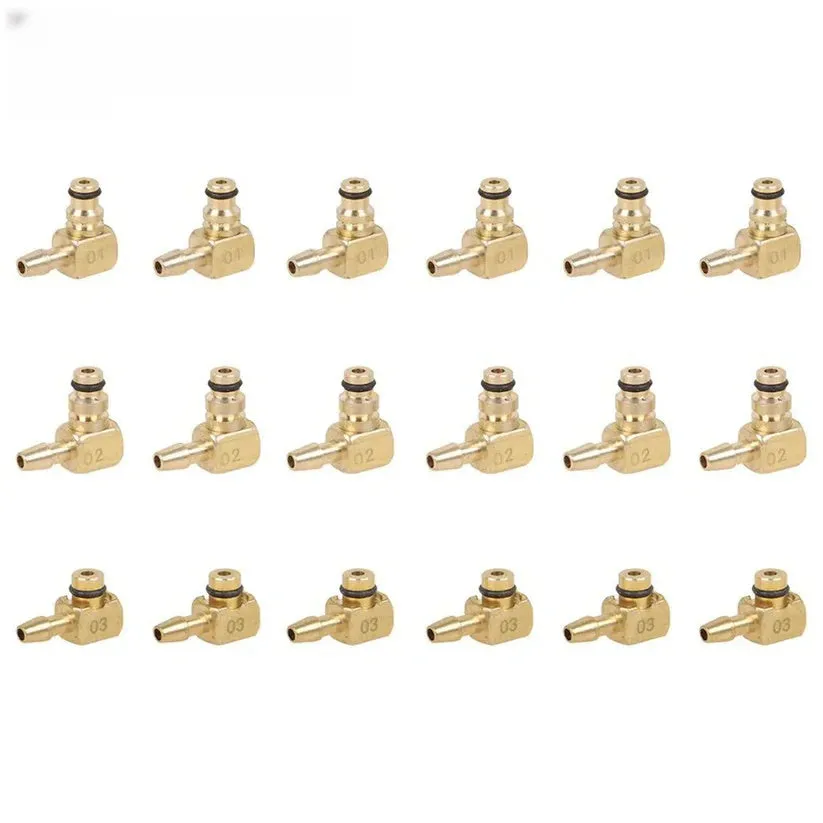
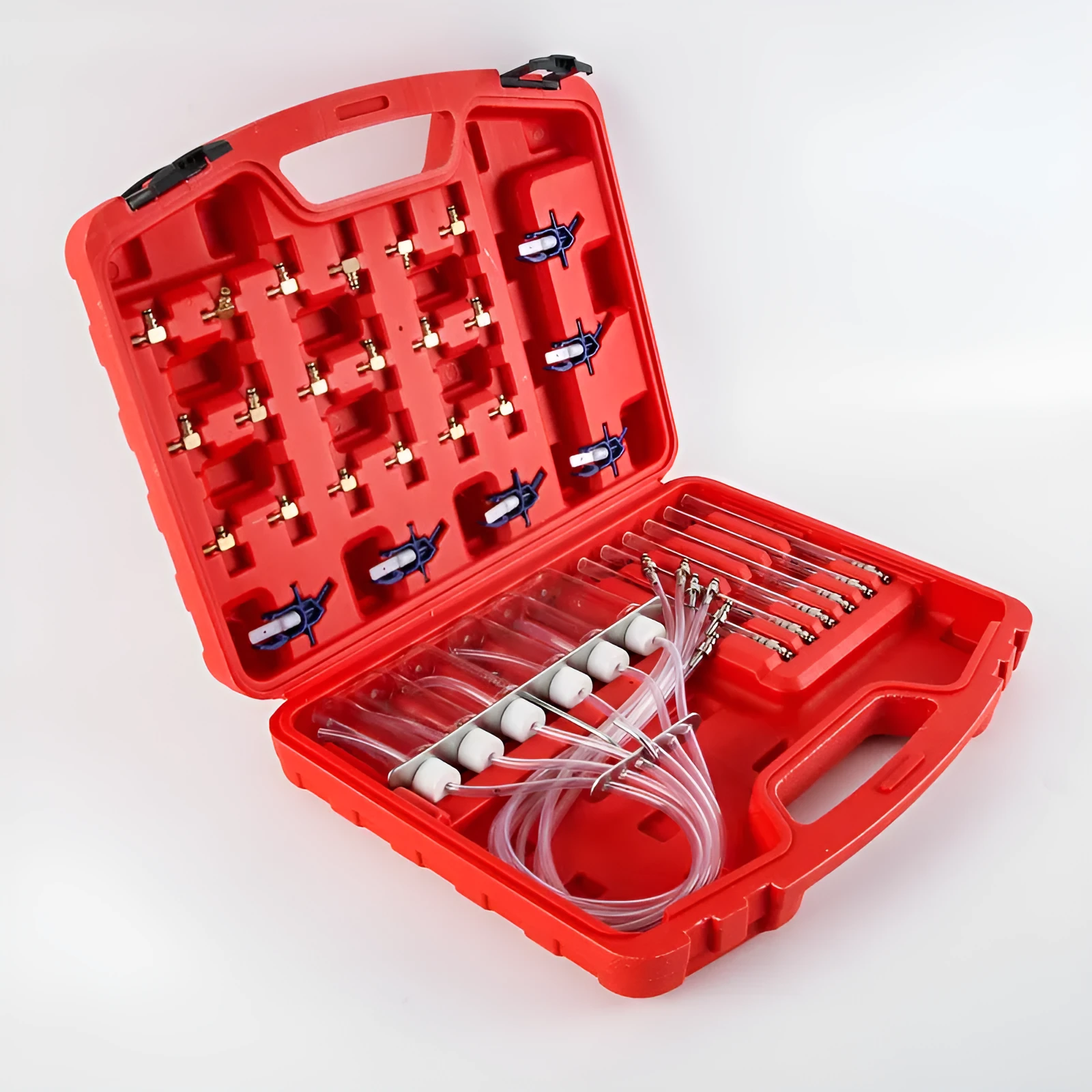
Fuel injection flow meter diagnostic tool for measuring oil return with brass construction and plastic housing, measuring 37.5cm long by 27.5cm wide by 7.5cm deep, designed for automotive fuel injection nozzle testing and detection applications


Fuel injection flow meter diagnostic tool for measuring oil return with brass construction and plastic housing, measuring 37.5cm long by 27.5cm wide by 7.5cm deep, designed for automotive fuel injection nozzle testing and detection applications
Brass Fuel Injection Flow Meter for Measuring Oil Return in Automotive Diagnostic Applications
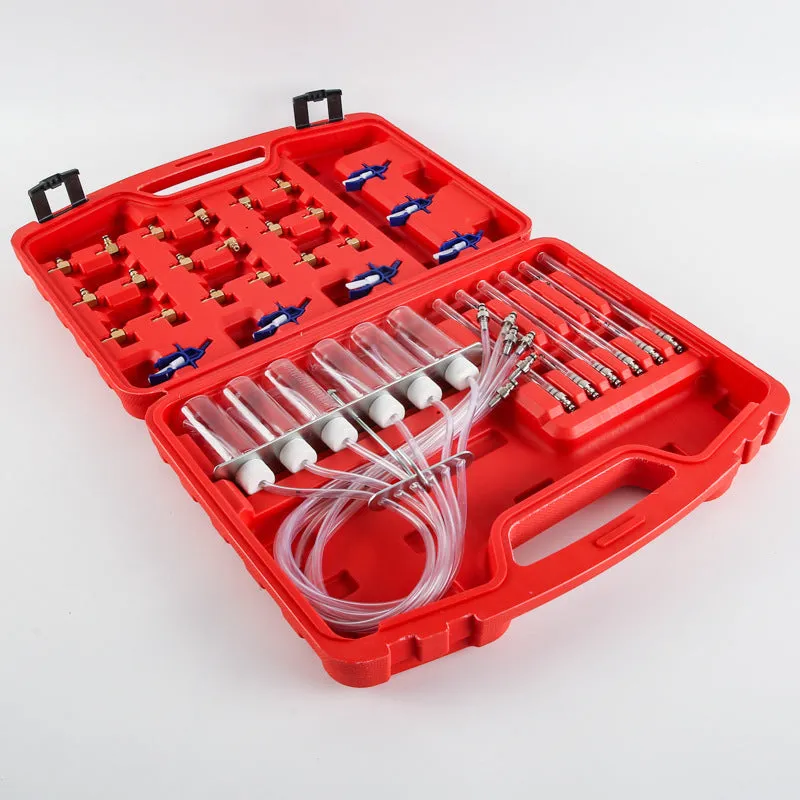
This oil return measuring instrument provides automotive technicians and mechanics with a dedicated tool for testing fuel injection system performance. By measuring fuel return flow rates directly, it helps diagnose issues with injector nozzles, pressure regulators, and overall fuel delivery efficiency without relying solely on electronic fault codes. The 37.5cm by 27.5cm by 7.5cm dimensions create a portable diagnostic device suitable for workshop environments, garage diagnostics, or field testing applications where direct measurement provides clearer insight than computerised systems alone. With brass construction that resists corrosion from petroleum products and plastic housing for handling comfort, this tool bridges the gap between basic visual inspection and complex electronic diagnostic equipment.
Features and Construction
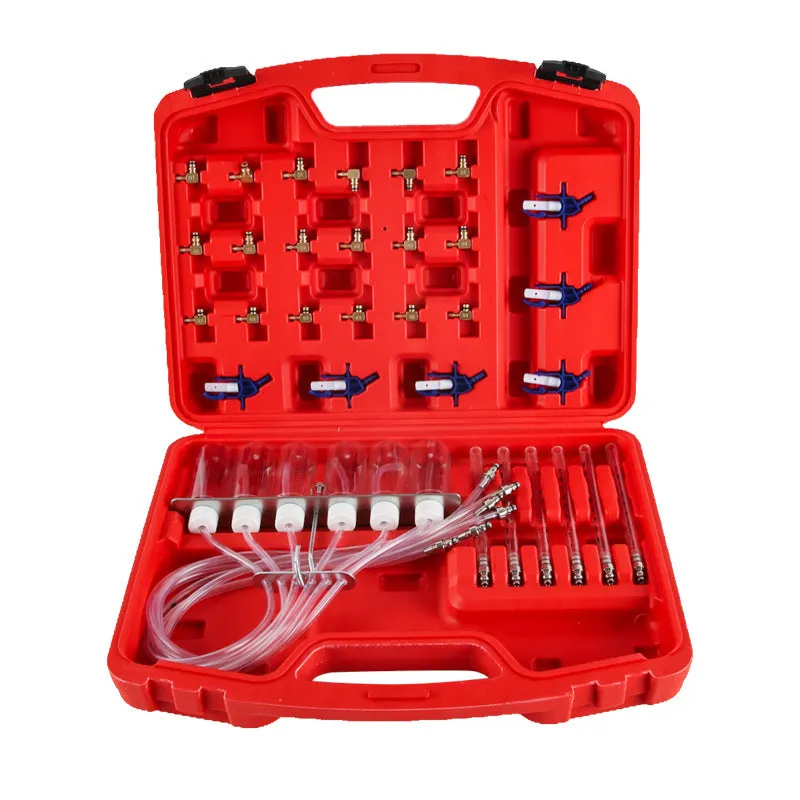
This fuel injection diagnostic tool combines material durability with practical measurement functionality for automotive workshops. Its design focuses on providing reliable oil return readings that can indicate fuel system issues before they cause more significant engine problems. The construction balances corrosion resistance with user handling considerations, creating a tool that withstands workshop environments while delivering consistent measurement results.
Material and Build
The brass components provide essential corrosion resistance when exposed to petroleum-based fuels, oils, and automotive fluids. This material selection prevents degradation from the chemicals typically encountered during fuel injection testing. The plastic housing creates a protective shell around measurement mechanisms while offering lightweight handling characteristics that reduce technician fatigue during extended testing sessions. This material combination delivers durability appropriate for professional workshop use without unnecessary weight or complexity.
Size and Practical Fit
Measuring 37.5 centimetres long by 27.5 centimetres wide by 7.5 centimetres deep, the instrument maintains a portable form factor that fits conveniently in toolboxes, workshop drawers, or vehicle service kits. These dimensions provide sufficient internal space for accurate measurement mechanisms while remaining compact enough for practical workshop use. The size allows technicians to position the tool effectively within engine compartments while maintaining clear visibility of measurement indicators during testing procedures.
Uses and Placement
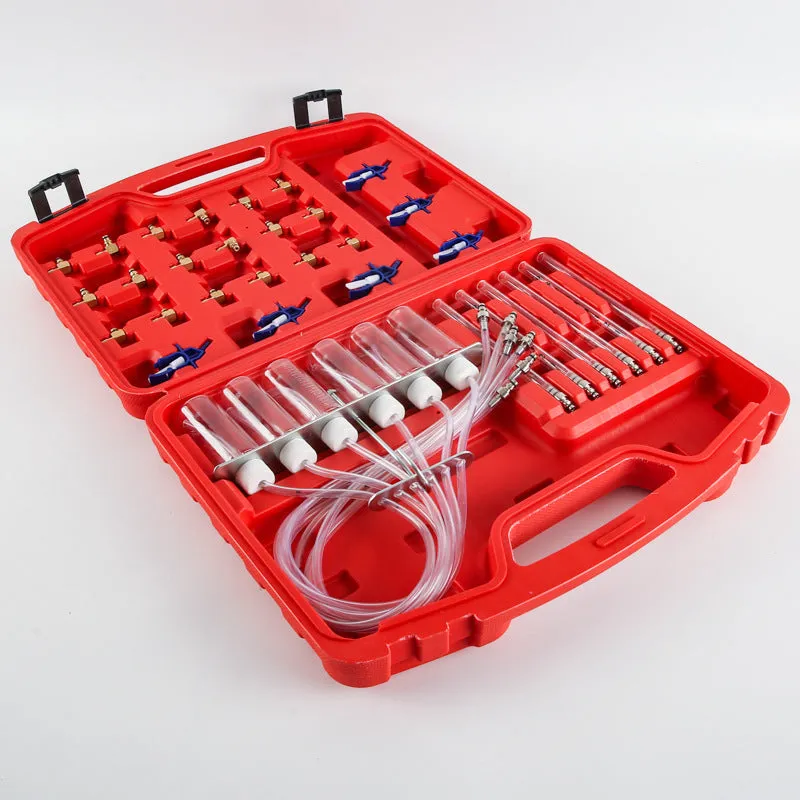
This diagnostic tool serves specific testing functions within automotive maintenance and repair workflows. Its application focuses on fuel injection system evaluation, providing measurable data that complements electronic diagnostics. The tool's design accommodates various workshop scenarios, from professional garage environments to mobile mechanic applications where direct measurement offers practical advantages over purely electronic systems.
Event or Professional Use
In professional automotive workshops, this flow meter provides concrete data for fuel injection system diagnostics. Mechanics can use it to verify injector performance during tune-ups, identify gradual nozzle wear before it causes drivability issues, or confirm repair effectiveness after servicing fuel delivery components. Racing teams and performance tuners might employ it for precise fuel system balancing, while fleet maintenance operations could use it for preventative maintenance checks on multiple vehicles. The brass construction withstands repeated use in professional environments where tools face regular exposure to fuels and workshop conditions.
Everyday Home Use
For advanced DIY mechanics and automotive enthusiasts, this instrument offers a more accessible approach to fuel system diagnostics than expensive electronic scanners. Home garage users can employ it to troubleshoot rough idle conditions, diagnose fuel pressure concerns, or verify injector performance during engine rebuilds. The straightforward measurement approach provides tangible data without requiring specialised training in computerised diagnostic systems. While professional workshops remain its primary environment, the tool's practical design makes it suitable for dedicated home mechanics working on personal vehicles or restoration projects.
Benefits and Buying Value
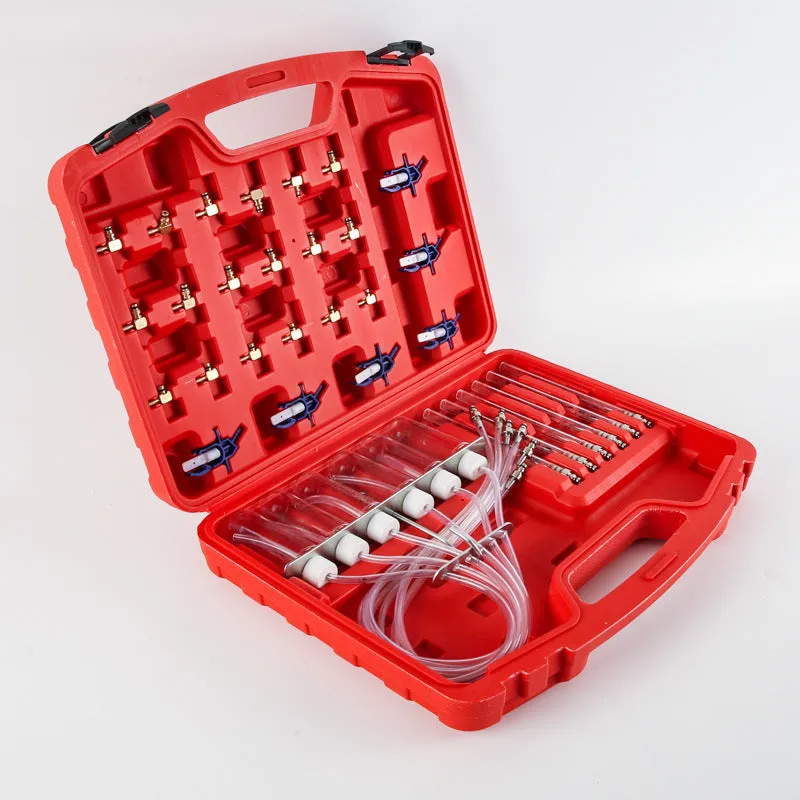
This fuel injection flow meter provides specific advantages for automotive diagnostics through its focused measurement capability and durable construction. Its value comes from delivering concrete data that supports informed maintenance decisions, potentially preventing more costly repairs through early problem detection. The tool addresses particular diagnostic needs within automotive repair workflows, offering an alternative or complement to purely electronic diagnostic approaches.
Reuse and Low Maintenance
The brass and plastic construction supports repeated use across multiple diagnostic sessions and vehicle applications. Brass components resist corrosion from repeated fuel exposure, while plastic housing protects internal mechanisms from workshop impacts and environmental contaminants. Simple cleaning after use maintains measurement accuracy and prolongs functional lifespan. This durability makes the tool suitable for integration into regular diagnostic routines rather than single-use applications, providing ongoing value from a single purchase.
Why Choose This Product
This oil return measuring instrument offers specific advantages for technicians needing direct fuel system measurement capabilities. Its brass construction provides material suitability for fuel contact applications where corrosion resistance matters. The 37.5cm by 27.5cm by 7.5cm dimensions create a practically sized tool that fits workshop workflows without occupying excessive bench space. By focusing specifically on oil return measurement for fuel injection systems, it delivers specialised functionality that might be diluted in more generalised diagnostic equipment. For workshops prioritising hands-on measurement alongside electronic diagnostics, this tool provides complementary data that can confirm or challenge computerised fault code interpretations.