
Ford Oil Control Valve VVT Solenoid Replacement OCV Valve Compatible with Ford Mustang Explorer Conqueror Lincoln Navigator Mercury Models OEM 3L3Z6C535-AA


Ford Oil Control Valve VVT Solenoid Replacement OCV Valve Compatible with Ford Mustang Explorer Conqueror Lincoln Navigator Mercury Models OEM 3L3Z6C535-AA
Ford Oil Control Valve VVT Solenoid Replacement for Mustang Explorer Lincoln Models

This oil control valve, also referred to as a VVT solenoid or OCV valve, serves as a direct replacement component for Ford, Lincoln, and Mercury vehicles experiencing variable valve timing system issues. It functions by regulating the engine oil pressure supplied to the VVT actuators, which is critical for optimising valve timing across different engine speeds and loads. A faulty valve can lead to noticeable drivability problems such as rough idling, reduced power output, decreased fuel efficiency, and illumination of the check engine light. This unit is manufactured to match the specifications, fitment, and electrical connectors of the original Ford part, providing a straightforward swap to address these performance concerns without requiring vehicle modification or additional parts.
Features and Construction

This replacement VVT solenoid is engineered as a complete assembly, designed to interface directly with your vehicle's existing engine management and lubrication systems. It replicates the function of the original equipment valve, controlling the flow of pressurised engine oil to the variable valve timing mechanism.
Material and Build
The valve is constructed from materials formulated to withstand the thermal cycles, pressures, and chemical exposure inherent in an engine oil environment. The internal solenoid and valving mechanisms are built to provide reliable actuation and precise oil metering, matching the operational parameters required by the Ford engine management system for proper VVT operation.
Size and Practical Fit
This is a direct-fit component, meaning its physical dimensions, mounting points, and electrical connector configuration are identical to the original Ford valve it replaces. This ensures a straightforward installation process where the faulty unit can be removed and this new valve installed in its place using the existing fasteners and wiring harness without modification, cutting, or adaptation.
Uses and Placement
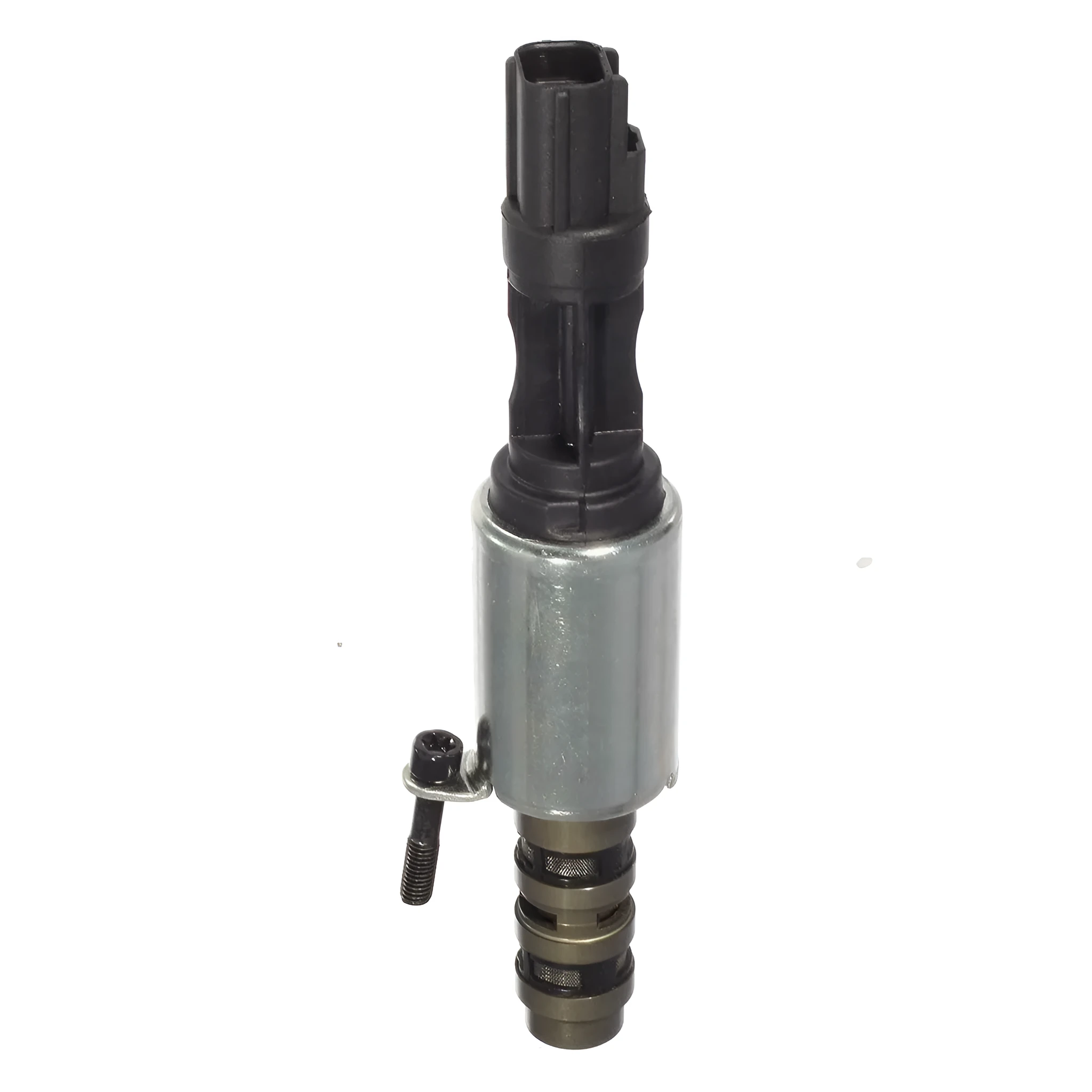
This component is specifically intended for use within the engine bay of compatible Ford, Lincoln, and Mercury vehicles as part of the variable valve timing system. Its primary role is to restore correct engine management function.
Event or Professional Use
For professional technicians or advanced DIY mechanics, this valve provides a cost-effective service part for repairing customer vehicles or maintaining fleet vehicles experiencing VVT-related fault codes like P0010, P0011, P0012, or P0013. It allows for a targeted repair of the oil control circuit without requiring replacement of the entire VVT actuator assembly.
Everyday Home Use
For the vehicle owner dealing with symptoms like rough idling, loss of power, or a lit check engine light, this replacement part offers a solution to a common failure point. Installation typically requires basic mechanical tools and access to the valve's location on the engine, often on the cylinder head near the camshafts, making it a feasible project for those with intermediate mechanical skills.
Benefits and Buying Value

Choosing this specific replacement valve centres on its direct compatibility and functional restoration of a key engine system.
Reuse and Low Maintenance
As a direct replacement, this valve utilises the vehicle's existing mounting hardware, seals, and electrical connections. Once installed, it requires no specific maintenance beyond the vehicle's standard oil change intervals, as it is an integral part of the engine's lubrication circuit.
Why Choose This Product
The key advantage of this valve is its precise match to the listed Ford OEM part numbers (3L3Z6C535-AA, 8L3Z6M280B, 3L3Z6M280EA) and vehicle applications (Ford Mustang, Explorer, Conqueror, Lincoln Navigator, Mercury). This compatibility ensures it will physically fit, electrically connect, and perform the required oil control function to restore proper variable valve timing operation, addressing the root cause of related drivability issues.
