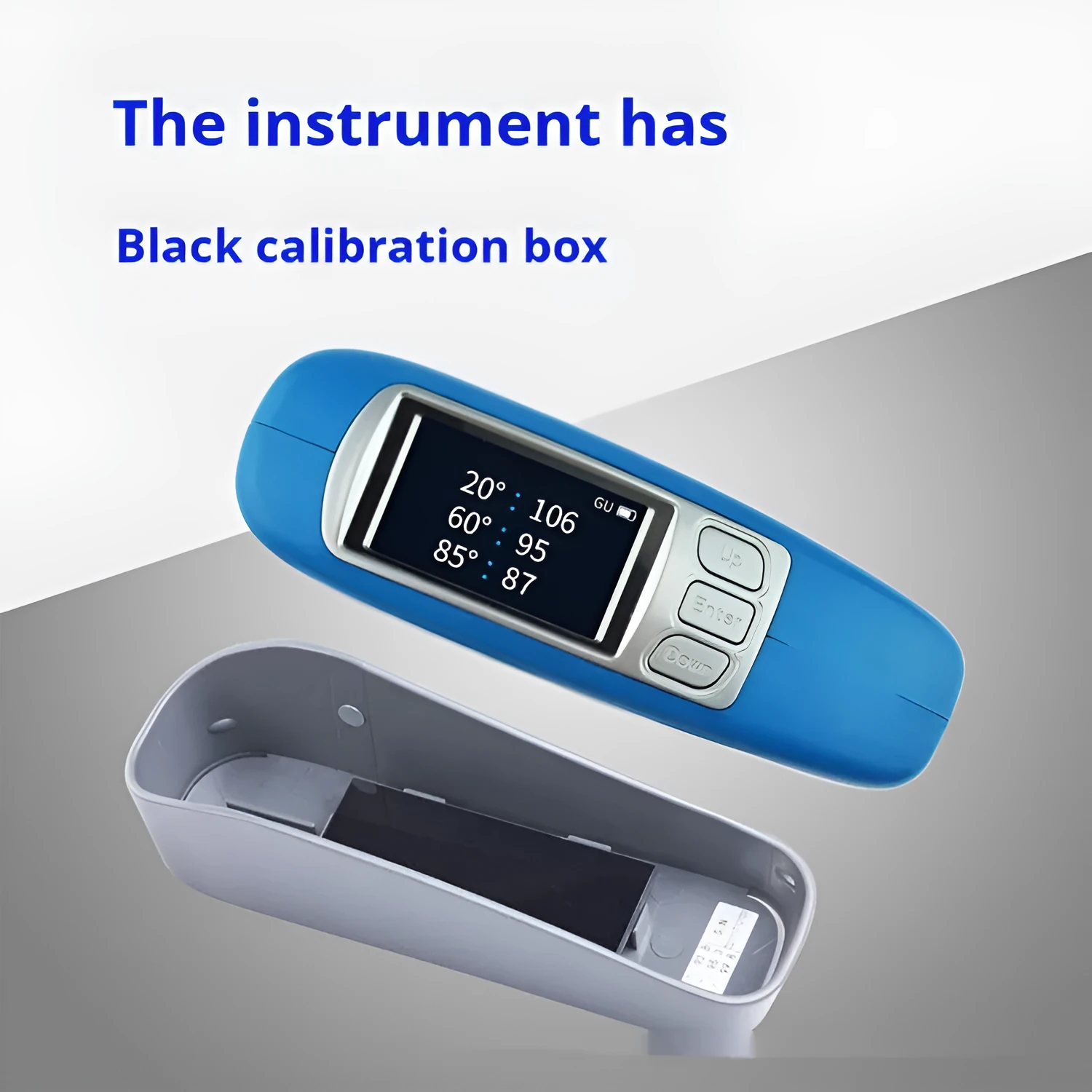
Ceramic Brightness Stone Portable Glossiness Tester for gloss measurement on surfaces, available as a single-angle 60° model (CS-300), single-angle 60° with microporous 23mm sensor (CS-300S), or a triple-angle model measuring 20°, 60° and 85° (CS-380).


Ceramic Brightness Stone Portable Glossiness Tester for gloss measurement on surfaces, available as a single-angle 60° model (CS-300), single-angle 60° with microporous 23mm sensor (CS-300S), or a triple-angle model measuring 20°, 60° and 85° (CS-380).
Portable Ceramic and Stone Glossiness Tester for On-Site Surface Brightness Measurement
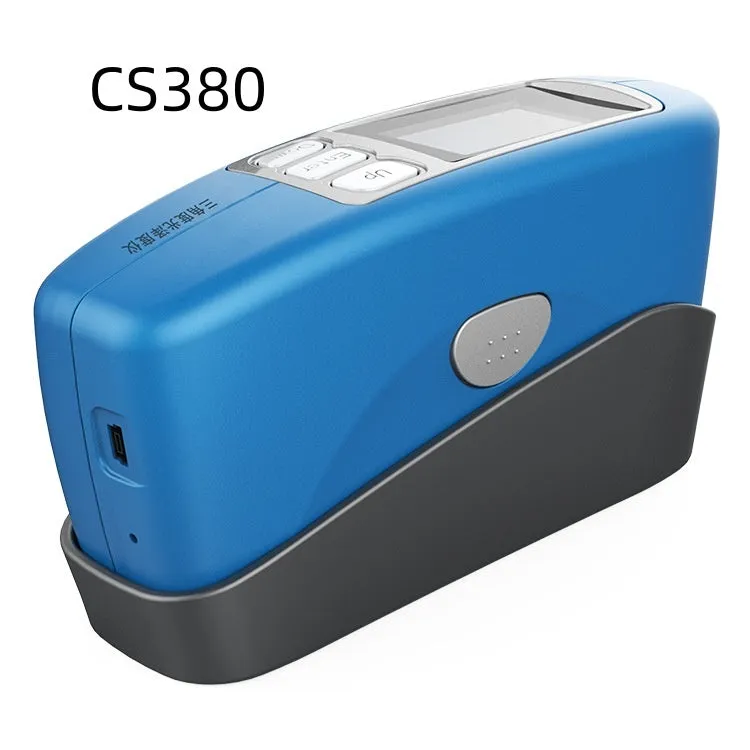
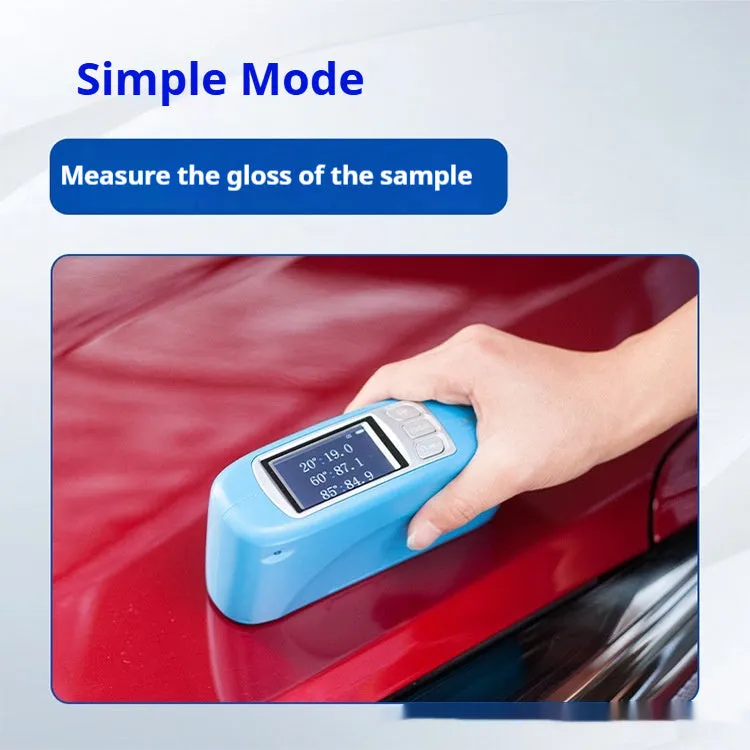
This portable glossiness tester is designed for professionals who need to measure and verify the surface gloss and brightness of materials directly in the field, on the factory floor, or at the point of installation. It eliminates the guesswork and subjective assessment of surface finish quality by providing objective, numerical gloss readings. The device is crucial for industries like ceramics manufacturing, stone fabrication, automotive paint shops, and quality control labs where consistent appearance is a key product attribute. You can select from three main models to precisely match your testing protocol: the standard CS-300 for basic 60° measurements, the CS-300S with a specialised sensor for specific surfaces, or the comprehensive CS-380 for multi-angle gloss analysis.
Features and Construction

The core function of this device is to deliver accurate, portable gloss measurements. It is supplied as a complete, ready-to-use set, requiring minimal setup to begin taking readings on a wide variety of smooth, finished surfaces. The construction is focused on portability and ease of use for the operator, allowing the tool to be carried to the sample rather than requiring samples to be brought to a large, fixed instrument.
Material and Build
The tester is built into a portable housing designed for handheld operation. While specific internal components and external casing materials are not detailed, the design prioritises a form factor that facilitates easy transport and direct application to test surfaces. The key operational elements are the measurement optics and sensor, which are engineered to deliver reliable gloss readings based on the reflection of light from the surface under test.
Size and Practical Fit
As a portable device, its primary dimensional specification is its practicality for hand-held use and transport. The exact physical dimensions and weight are not provided, but the product is described as portable, indicating it is compact enough for one person to carry and operate comfortably on-site. The sensor aperture on the CS-300S model is specified as a microporous 23mm design, which defines the contact area with the surface being measured for that particular variant.
Uses and Placement

This glossiness tester finds its application anywhere a quantifiable measure of surface shine or reflectance is needed to ensure quality, consistency, or compliance with specifications. It serves as a vital link between production processes and final product acceptance, providing data that can be used to adjust manufacturing parameters or to certify finished goods.
Event or Professional Use
In professional and industrial settings, the tester is used for critical quality assurance checks. Inspectors can use it on ceramic tiles at a fabrication plant to ensure batch consistency, on polished stone countertops after installation to verify the finish meets the client's expectations, or on painted vehicle panels on an assembly line to confirm uniform gloss levels. The choice between a single 60° angle (the standard for many materials) and the triple-angle model (20°, 60°, 85°) allows technicians to adhere to specific industry test methods, such as those for high-gloss or matte finishes.
Everyday Home Use
While primarily an industrial tool, it also has applications for serious hobbyists, small workshop owners, or contractors who require proof of work quality. For example, a kitchen remodeler might use it to demonstrate the achieved gloss level on a newly lacquered cabinet finish to a homeowner, or a furniture restorer could use it to match the sheen of a repaired section to the original surface.
Benefits and Buying Value

The value of this portable gloss tester lies in its ability to provide immediate, objective data, reducing reliance on subjective visual inspection. This leads to fewer disputes over quality, more consistent production outputs, and the ability to document quality levels for clients or internal records.
Reuse and Low Maintenance
As a durable electronic measurement tool, it is designed for repeated use over time. Its low-maintenance value comes from providing a long-term solution for gloss testing without the recurring cost of sending samples to an external lab. Proper care, such as keeping the measurement aperture clean and storing the device in its provided case, will help maintain its accuracy and extend its operational life.
Why Choose This Product
Choosing this portable glossiness tester means investing in a direct method for quantifying surface appearance. The option to select from three distinct models (CS-300, CS-300S, CS-380) allows you to buy the exact tool required for your tasks, avoiding overpayment for unnecessary features or settling for a device that cannot perform the required tests. The portability factor is a key differentiator, offering the flexibility to test materials in situ, which is often impossible with larger, bench-top gloss meters.