
Cat scratch board for scratching and play made from white corrugated paper in a slipper style shape measuring approximately 34cm x 19cm, designed to protect furniture by diverting a cat's natural scratching instincts.


Cat scratch board for scratching and play made from white corrugated paper in a slipper style shape measuring approximately 34cm x 19cm, designed to protect furniture by diverting a cat's natural scratching instincts.
White Corrugated Cat Scratch Board in a Slipper Style Shape

This product is a straightforward cat scratch board made from white corrugated paper. It serves the primary function of providing a dedicated and acceptable surface for your cat to scratch, which can help redirect their natural claw-sharpening and marking behaviours away from your furniture, carpets, and curtains. The slipper style shape creates an angled profile that may be more appealing for scratching than a flat sheet, offering a stable base during use. With its simple construction and neutral white colour, this scratch board is a practical, no-fuss solution for cat owners looking to manage this common aspect of pet ownership.
Features and Construction
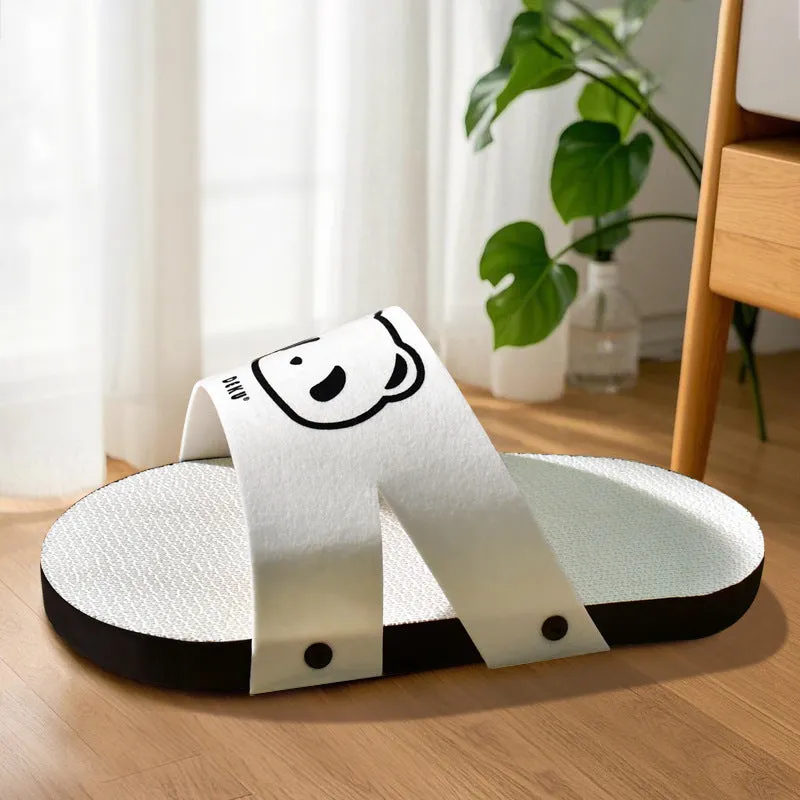
The board's design and materials are focused on fulfilling a basic need for cats while fitting unobtrusively into a home environment.
Material and Build
The entire board is fabricated from white corrugated paper. This material is chosen for its texture, which can be satisfying for cats to dig their claws into, mimicking certain natural surfaces. Corrugated cardboard is also typically lightweight and easy for cats to manoeuvre or grip with their paws. The construction appears to be a single-piece design, folded or formed into its distinctive slipper style shape, which provides inherent structural rigidity.
Size and Practical Fit
The product has approximate dimensions of 34cm in length and 19cm in width. This size makes it suitable for placement in various locations around the home, such as next to a cat's bed, by a favourite window, or in a common play area. Its compact footprint means it won't take up excessive floor space. The white colour scheme allows it to blend with many interior decors more easily than brightly coloured or patterned alternatives.
Uses and Placement
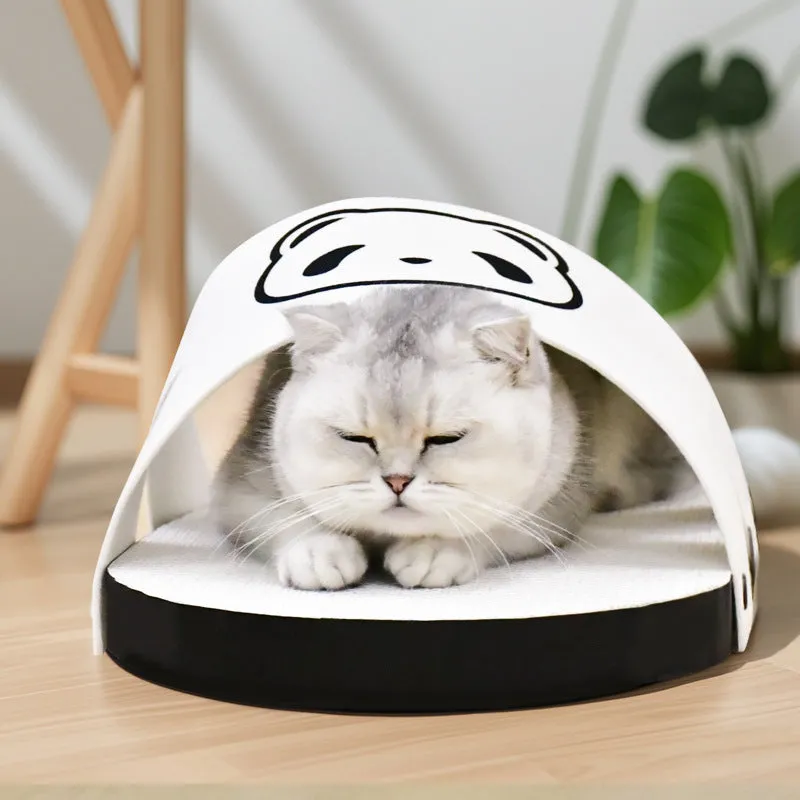
Understanding where and how to use this product can increase the likelihood of your cat accepting it as their preferred scratching spot.
Event or Professional Use
While primarily designed for home use, this type of simple, disposable scratch board can also be useful in temporary settings. For example, it could be employed in a cattery, veterinary waiting area, or at a cat show to provide a familiar scratching outlet in a novel environment. Its neutral appearance and single-unit packaging make it suitable for such scenarios where providing enrichment is necessary but permanent fixtures are not.
Everyday Home Use
For daily home use, introduce the scratch board by placing it in an area your cat already likes to scratch or spend time. You can make it more attractive by sprinkling a bit of catnip on the surface or by using a toy to encourage play around it. Observe your cat's behaviour; some prefer horizontal surfaces, while others like vertical or angled ones like this slipper style design provides. Its primary role is as a behavioural tool to help preserve your home furnishings.
Benefits and Buying Value
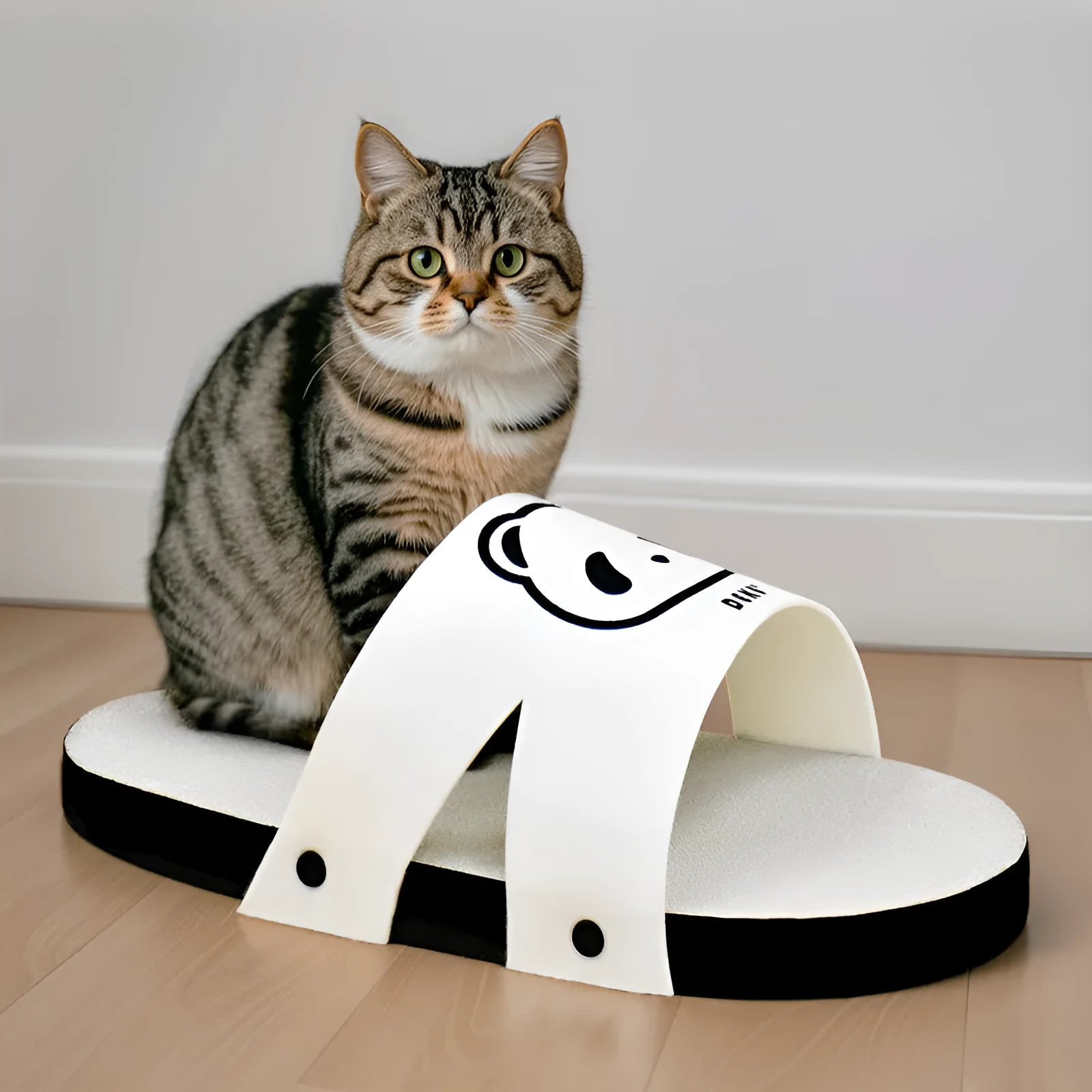
The value of this product lies in its specific function, simple materials, and potential to reduce unwanted scratching damage.
Reuse and Low Maintenance
The board requires virtually no maintenance. There are no moving parts, fabrics to clean, or complex assemblies. It is a single-use item in the sense that it will eventually be worn down by your cat's claws and need replacement. This straightforward lifecycle means there is no ongoing cost for upkeep, only for potential repurchase. When the board is fully worn, the corrugated paper material is typically recyclable, depending on local council guidelines.
Why Choose This Product
You might choose this white corrugated scratch board if you seek a basic, functional, and affordable option to test whether your cat will use a dedicated scratching post. Its slipper style shape differentiates it from flat pads or vertical posts, potentially suiting cats with a preference for angled surfaces. The lack of complex features or expensive materials keeps the focus on the core purpose: providing an appealing texture and form for scratching. It represents a low-commitment first step in managing your cat's scratching habits.

