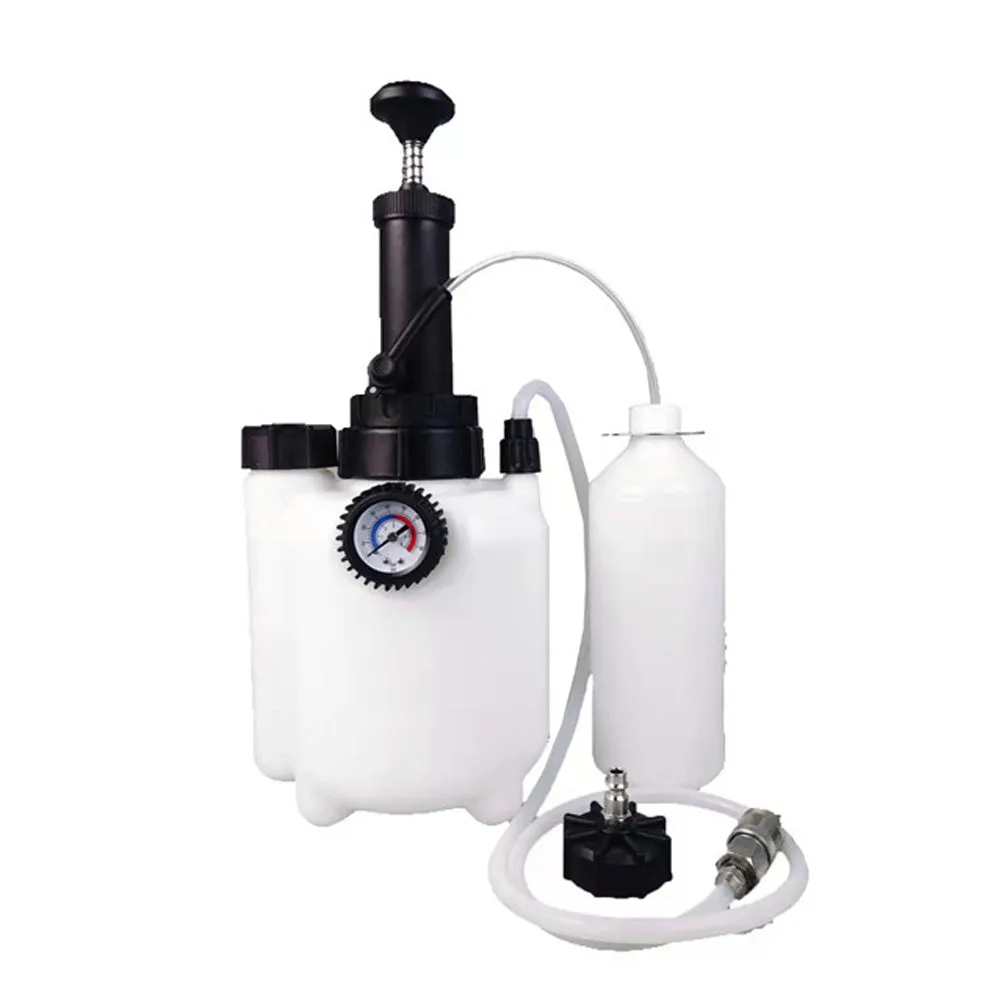
3L automobile brake oil tank replacement tool for brake fluid changing, constructed from copper, iron, and plastic components, packaged in dimensions of 41cm by 18cm by 20cm, providing a durable and practical solution for automotive maintenance.


3L automobile brake oil tank replacement tool for brake fluid changing, constructed from copper, iron, and plastic components, packaged in dimensions of 41cm by 18cm by 20cm, providing a durable and practical solution for automotive maintenance.
3L Brake Oil Tank Replacement Tool for Automotive Brake Fluid Servicing

This 3L brake oil tank replacement tool provides a focused solution for a specific automotive maintenance task: changing brake fluid. Designed to collect and contain used fluid during the bleeding process, it helps keep the work area clean and simplifies disposal. The kit arrives as a single, fully assembled unit, ready to connect to a vehicle's brake system. With its practical 3-litre capacity and construction from automotive-grade materials, it is intended for use by individuals performing their own car maintenance or by small workshops.
Features and Construction
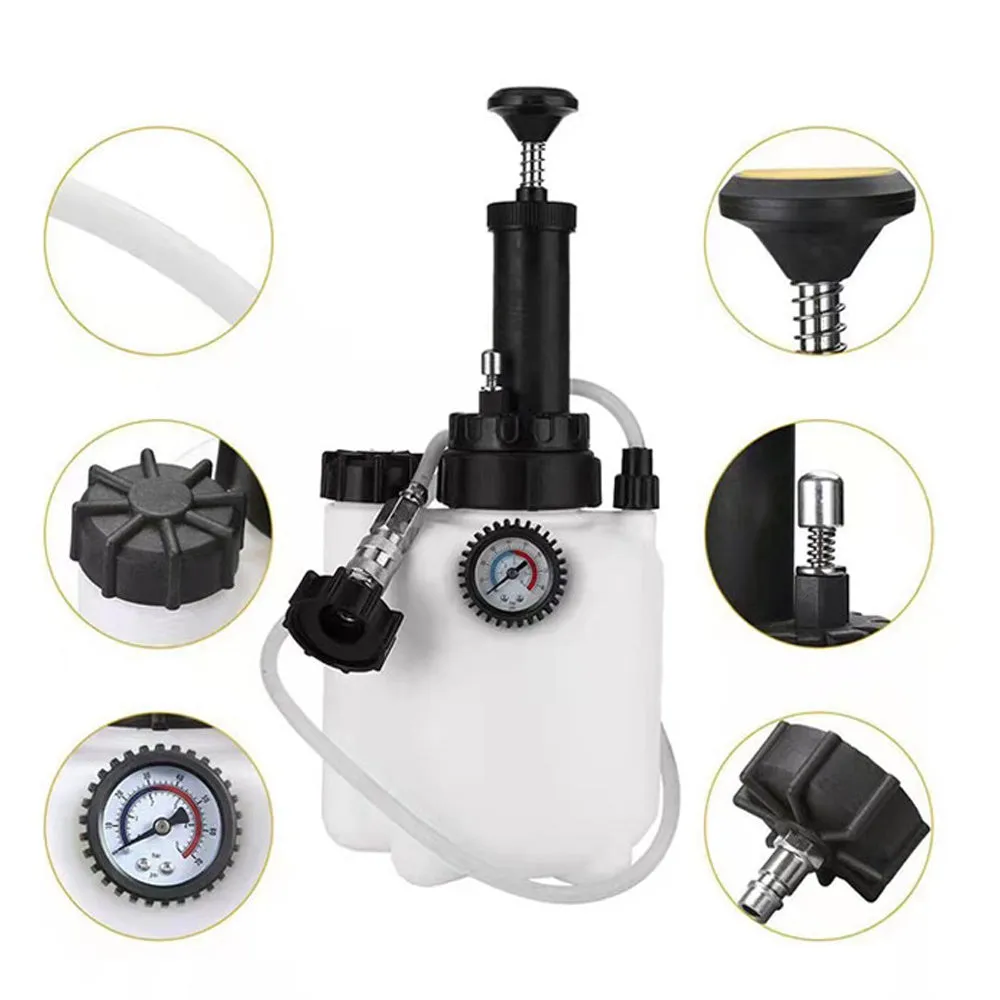
The tool's design centres on functionality for brake fluid replacement. It combines different materials to balance durability, performance, and cost for this specific application. The overall kit is packaged in a box that measures 41cm in length, 18cm in width, and 20cm in height, making it compact for storage when not in use.
Material and Build
The tool incorporates copper, iron, and plastic in its construction. Copper is typically used in parts that come into direct contact with the brake fluid due to its resistance to corrosion from the glycol-based fluid. Iron components provide the structural strength needed for the tool's frame and mounting points. Plastic is utilised for certain housings, connectors, or the tank body itself, offering a lightweight and mouldable material that can be formed into specific shapes required for fluid channels or fittings.
Size and Practical Fit
The primary specification is the 3-litre capacity of the brake oil tank. This volume is suitable for the amount of fluid expelled during a standard brake bleed on most passenger cars. The stated package dimensions of 41cm x 18cm x 20cm indicate the size of the box containing the fully assembled tool, which is a practical size for storage on a workshop shelf or in a garage toolbox.
Uses and Placement
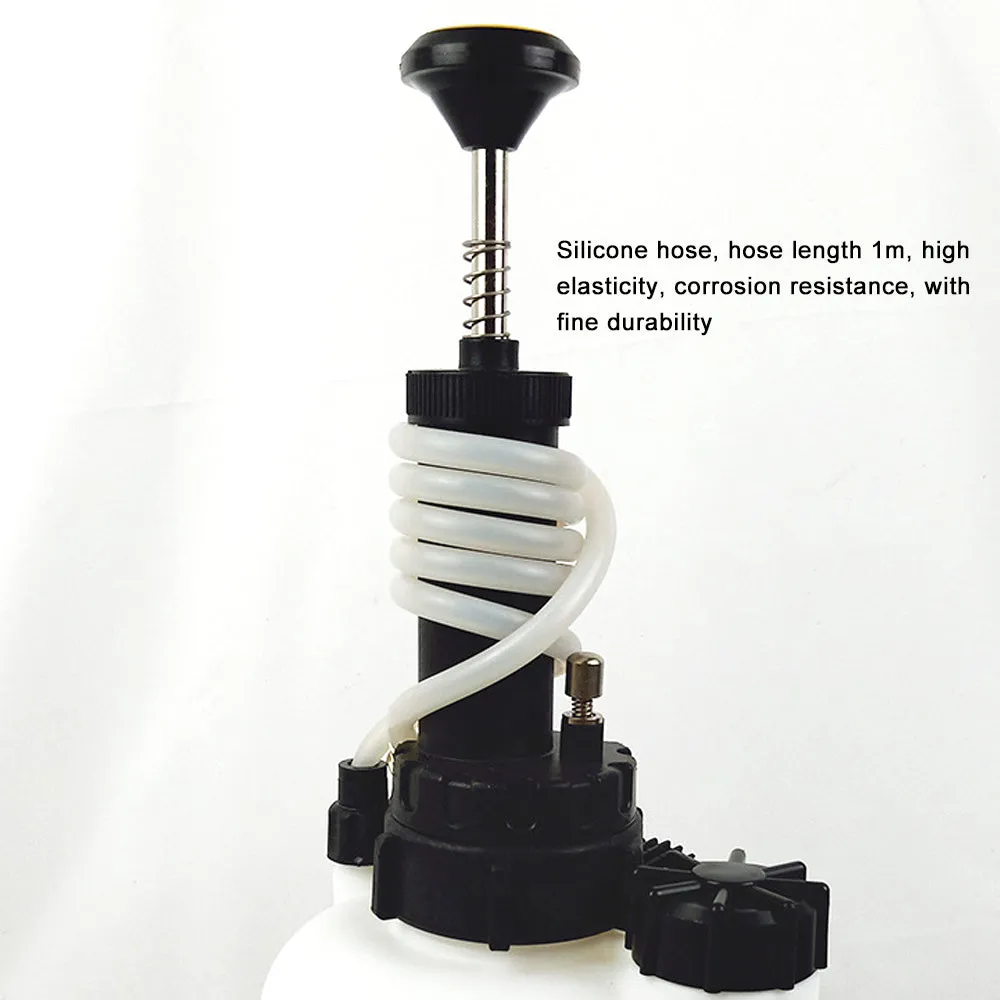
This tool has a clearly defined role within automotive repair and upkeep. It is not a general-purpose item but is targeted at the specific procedure of brake system servicing.
Event or Professional Use
In a professional or dedicated DIY setting, this tool is used during scheduled brake maintenance or when repairing the hydraulic brake system. Its function is to safely capture the old brake fluid as it is purged from the calipers or wheel cylinders, preventing spills on the workshop floor and allowing for proper disposal. Using a dedicated tank like this can make the bleeding process more controlled and efficient compared to improvised methods.
Everyday Home Use
For the home mechanic who performs their own vehicle servicing, this tool adds a degree of organisation and safety to the brake fluid change process. It provides a clear, designated container for the waste fluid, which is both corrosive and hazardous to the environment. Having a proper tool can increase confidence and improve the outcome of this important safety-related maintenance task.
Benefits and Buying Value
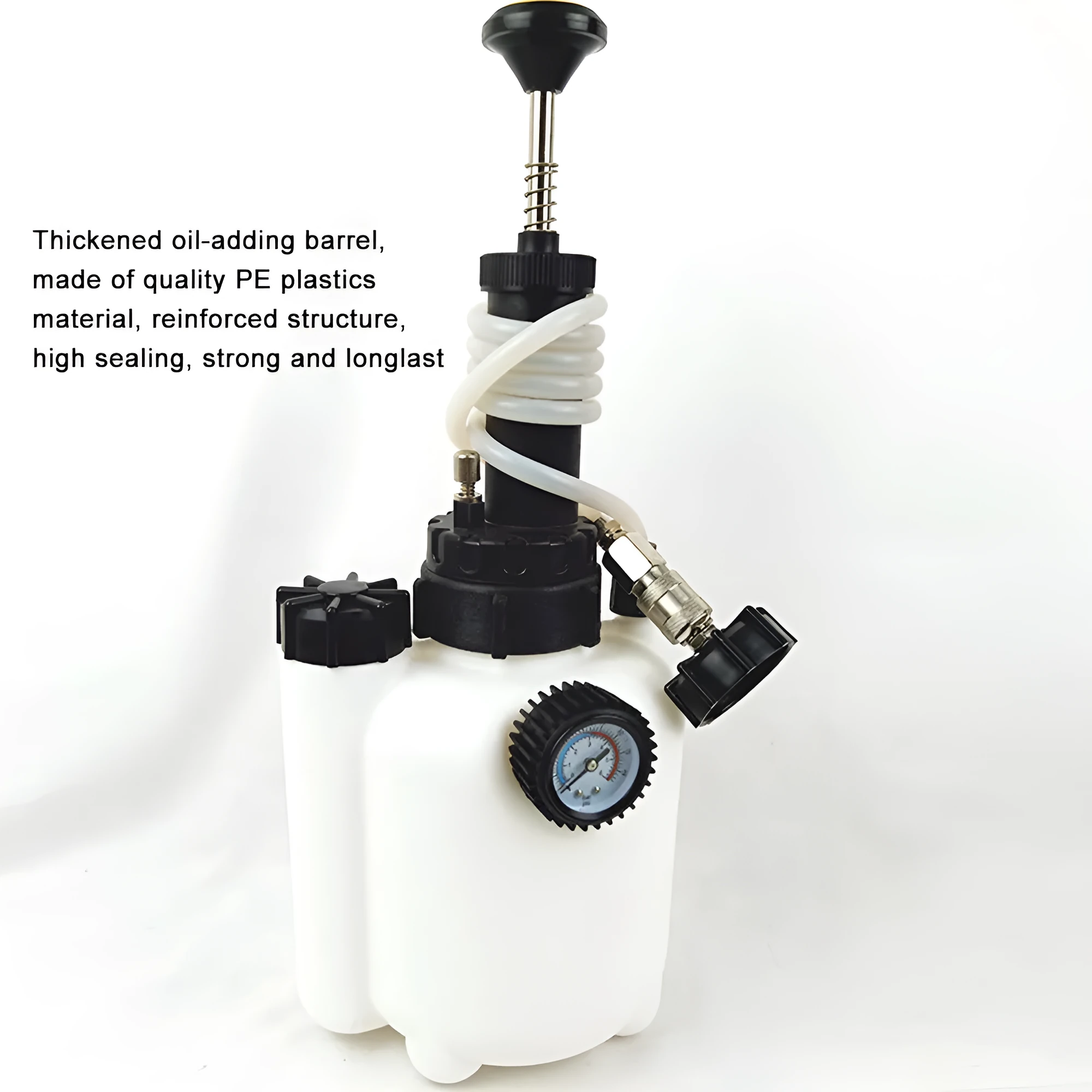
The value of this product lies in its specialised design for a single, recurring maintenance job, potentially offering reuse over many years of vehicle ownership.
Reuse and Low Maintenance
As a mechanical tool constructed from durable metals and plastics, it is designed to be used multiple times. After each use, simple cleaning to remove residual brake fluid is the primary maintenance required before storing it for the next service interval. This reusability contrasts with disposable methods, offering long-term utility.
Why Choose This Product
Choosing this brake oil tank tool is a decision for practicality and task-specific design. It provides a measured 3L capacity that matches typical job requirements and uses materials like copper known for compatibility with brake fluid systems. For anyone regularly servicing brakes, it represents a dedicated, organised approach to handling fluid disposal, contributing to a cleaner and more methodical working environment.